Person drinking a glass of orange juice in a bright kitchen, representing vitamin C intake and energy.

Does Vitamin C Give You Energy? Here’s What It Actually Does for Your Body

Feb 26, 2026 Energy articles Immune Health articles Vitamin C articles
5 MIN

Person drinking a glass of orange juice in a bright kitchen, representing vitamin C intake and energy.

In the wide world of supplements, you may find yourself looking for something to give you an energy boost to help you keep moving through the day's activities. That may lead you to ask: Does vitamin C give you energy? While vitamin C does many things in the body, it does not give you energy.

But don’t be discouraged! Vitamin C, also commonly known as ascorbic acid, plays a number of essential roles in our body's functions, contributing to our overall daily well-being. Stick around, and we’ll explore vitamin C benefits, and give some pointers on which nutrients contribute to our cellular energy production. Read on!

What Vitamin C Really Does in the Body

Vitamin C benefits infographic showing antioxidant support, immune health, collagen and skin support, iron absorption, vascular health, and healthy aging.

If vitamin C doesn’t support energy, what does? We get our energy from macronutrients. Macronutrients like carbohydrates, fats, and protein are different from what we call micronutrients, the essential vitamins and minerals that support many of our body’s functions.

So, what does vitamin C do for your body? Vitamin C benefits for men and women include supporting a healthy immune system, as it’s essential to the function of immune cells like white blood cells, and antioxidant support, helping to neutralize free radicals and reduce oxidative stress. But wait, there’s more! Vitamin C supports the synthesis of collagen, which is important for supporting healthy skin. It also aids iron absorption by helping the body process non-heme iron, which is the form found in plant foods.

Surely that must be it—what more can this vital vitamin do? Even more, it turns out! Vitamin C supports healthy aging, vascular health, and healthy blood vessel function. Pretty big for a “micro”-nutrient, huh?

However, did you know that vitamin C is one of the common nutrient shortfalls? That's right, almost 50% of adults don’t get enough from their daily diet.[1] Where do we find vitamin C in our diets? Vitamin C is found mainly in citrus fruits like lemons, limes, oranges and grapefruits.[2] But it's also present in other fruits like strawberries, and vegetables like red and green peppers and broccoli. If you don't include many of these foods in your diet, you might be interested in vitamin C supplements to help you bridge that nutrient gap.

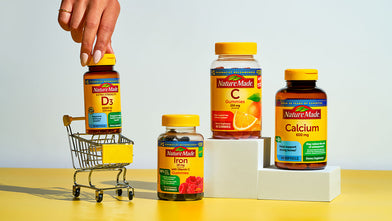
Do vitamin C supplements work ? Yes, and Nature Made offers a variety of supplements made with high-quality ingredients backed by science. Do you like your daily supplement support in tasty gummy form? Check out Nature Made Extra Strength Vitamin C Gummies. These delicious tangerine flavored gummies contain 500 mg of vitamin C per serving. And if you're looking for a well-rounded immune support supplement, our Super C with Vitamin D3 & Zinc Tablets contain five key immune support nutrients in one convenient package.

How much vitamin C should you take per day? The Recommended Dietary Allowance of vitamin C for adults age 19 and up is 90 mg/day for men, 75 mg/day for women, 85 mg/day during pregnancy and 120 mg/day during lactation. Individuals who smoke require 35 mg more vitamin C every day than people who don’t smoke.[2] Can you take too much vitamin C? The Tolerable Upper Limit of vitamin C intake for adults is 2000 mg/day and excess vitamin C is excreted in urine.[2]

What Nutrients and Supplements Support Energy?

We need energy to get through the day; it powers our bodies, so it makes sense to look for ways to support our energy, whether through supplements or food sources. A main source of energy for our body is carbohydrates from the foods or beverages we consume.

That’s why it’s important to always remember that supplements are designed to complement a healthy diet, not replace it. Your body needs macronutrients every day, so consult with a doctor or registered dietitian to help you find a balanced diet filled with nutrient-dense foods to help you navigate your daily nutrient needs.

Lifestyle changes can also contribute to your daily energy. Look to stress management techniques, stay active, and establish a healthy sleep routine as part of a whole-body approach to energy support. Sometimes it can be difficult to find the energy in the morning that you need to face the day’s adventures.

Some quick tips, like eating a balanced breakfast, staying hydrated, or getting a quick workout in with some morning exercises like yoga, can help you start your day right. It’s always important to understand that diet and nutrition are key building blocks to a healthy routine, but they’re just one part. Practice healthy lifestyle choices alongside a balanced diet to support your daily wellness.

Choosing the Right Supplements for Your Energy and Lifestyle Goals

Putting together a supplement routine can help you support many of your body’s functions. Speak with a healthcare provider or medical professional about the lifestyle, dietary, and supplement choices that can support your overall wellness. When exploring supplements, always choose a trusted brand that clearly labels its ingredients and doses.

Nature Made has 50 years of experience and a team of science and nutrition experts that ensure our supplements are made with high-quality ingredients. Nature Made is the #1 Pharmacist Recommended Vitamin & Supplement Brand.*

While not all supplements give you energy, some can support your body’s cellular energy production. Here’s the key distinction: while we get our energy from macronutrients in food, certain micronutrients like B vitamins play a key role in breaking down carbohydrates into the cellular energy, or ATP, that our cells use to perform their functions.

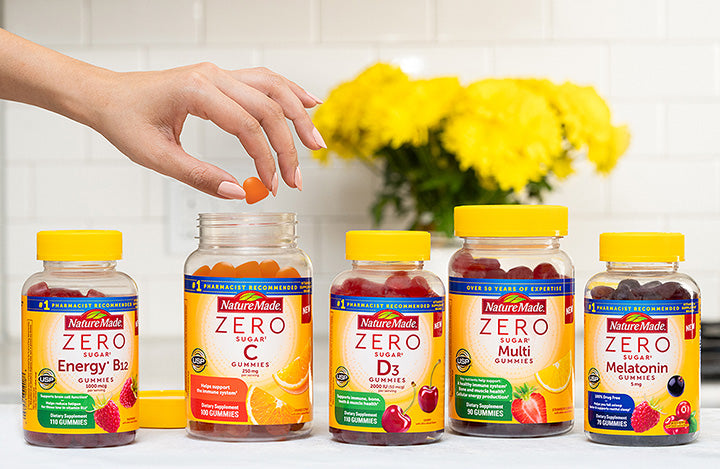
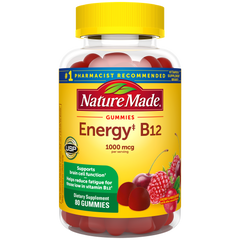
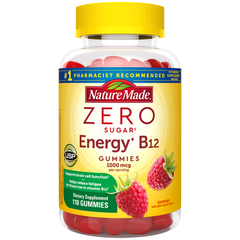
Nature Made offers B Vitamin Supplements in many forms and sizes to suit your specific health goals. Vitamin B12 is found mostly in animal organs like livers and kidneys. As we get older, however, our stomach acid naturally decreases, making it harder for the body to extract B12 from food. [3] Our Energy B12 Gummies provide 1000 mcg of vitamin B12 to support brain cell function, support cellular energy production, and help reduce fatigue for those low in B12.

Nature Made also offers Super B Energy Complex Softgels, which include all eight B vitamins for cellular energy and nervous system function support. For more options, explore Energy Supplements for a variety of key nutrients supporting energy metabolism, converting the food we eat into cellular energy your body can use all day long.

Build a Wellness Routine That Works for You

Is taking vitamin C daily okay? Yes, in fact, for most supplements, it's generally recommended to take them every day. Consistency is key! Always ensure you follow the Suggested Use instructions on the supplement label and consult with your primary healthcare provider for personalized guidance.

While the answer to "does vitamin C give you energy?" may be no, the many vitamin C benefits for women and men are just as important to your daily wellness. Vitamin C supports the immune system, collagen synthesis, iron absorption, and more. Explore Vitamin C Supplements as part of a wellness routine that works for you.

References:

  1. Reider CA, Chung RY, Devarshi PP, Grant RW, Hazels Mitmesser S. Inadequacy of Immune Health Nutrients: Intakes in US Adults, the 2005-2016 NHANES. Nutrients. 2020;12(6):1735. Published 2020 Jun 10. doi:10.3390/nu120617354.
  2. National Institute of Health. Vitamin C. National Institutes of Health. Published March 26, 2021. https://ods.od.nih.gov/factsheets/VitaminC-HealthProfessional/
  3. Ko E, Glazier E. Chance of B12 deficiency increases as people age. UCLA Health News & Insights. March 18, 2022. https://www.uclahealth.org/news/article/chance-of-b12-deficiency-increases-as-people-age.

‡Helps convert food into cellular energy.†

*Based on a survey of pharmacists who recommend branded vitamins and supplements

† These statements have not been evaluated by the Food and Drug Administration. This product is not intended to diagnose, treat, cure or prevent any disease.

Authors

Graham Morris

NatureMade Copywriter

Graham has a degree in film with a focus on screenwriting from the University of California, Santa Cruz. He enjoys learning new things and finding the best, most engaging way to communicate them to a wide audience. Graham appreciates simplicity in life and nutrition, and wants to find the easiest, no-stress ways to stay healthy.

Read More about Graham Morris

Lynn M. Laboranti, RD

Science and Health Educator

Lynn is a Registered Dietitian (R.D.) and is a member of the Medical and Scientific Communications team at Pharmavite. She has over 20 years of experience in integrative and functional nutrition and has given lectures to health professionals and consumers on nutrition, dietary supplements and related health issues. Lynn frequently conducts employee trainings on various nutrition topics in addition to educating retail partners on vitamins, minerals and supplements. Lynn has previous clinical dietitian expertise in both acute and long-term care, as well as nutrition counseling for weight management, diabetes, and sports nutrition. Lynn earned a bachelor’s of science in Nutrition with a minor in Kinesiology/Exercise Science from The Pennsylvania State University. She earned a M.S. degree in Human Nutrition from Marywood University in Scranton, Pennsylvania. Lynn is an active member of the Academy of Nutrition and Dietetics, Sports Cardiovascular and Wellness Nutritionists, Dietitians in Functional Medicine, and holds a certification in Integrative and Functional Nutrition through the Academy of Nutrition and Dietetics.

Read More about Lynn M. Laboranti, RD