Welcome to our store
Discover which Nature Made vitamins and supplements can support your wellness goals†
Get started now.
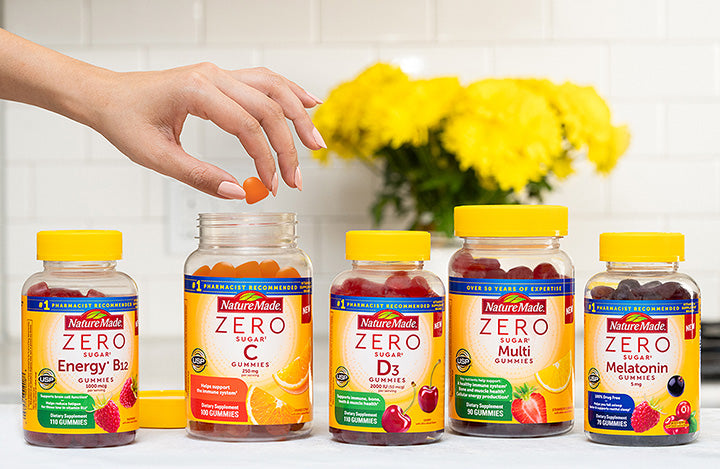
Discover how you can get the benefits you want from the nutrients you need without the sugar normally found in gummies.†
New Zero Sugar Gummies‡
Access expert insights, research, and other helpful content related to your health.
Explore Health Resources
Learn where our story began, and how we continue to evolve alongside our customers.
Discover Nature Made$0.00 away from Free Shipping You have earned Free Shipping*
Dec 19, 2025
GLP-1
articles
,
Weight Loss
articles
If you're tuned into the world of weight loss diets, you've probably heard of GLP-1 medications like Ozempic. These weight-loss medications are gaining popularity, but they can be misunderstood. You might be looking for a little clarification around GLP-1s, like how they might relate to your micronutrient intake, and what foods to include and avoid while on a GLP-1 medication.
These are valid questions and deserve complete answers. In this guide, we'll explain what exactly a GLP-1 is, the difference between GLP-1 that naturally occurs in our bodies and a GLP-1 medication, why nutritional support matters during your weight loss journey and more.
What is GLP-1? Thankfully, there's a pretty simple definition. GLP-1 stands for Glucagon-Like Peptide-1, which is a hormone in the body that is involved in blood sugar regulation and appetite control. This hormone is primarily found in the intestines. This GLP-1 is naturally found in the body.[1]
What is commonly known as a "GLP-1 medication" is a GLP-1 receptor agonist. These are medications like Wegovy, Ozempic, and Mounjaro that mimic the GLP-1 hormone to help with weight loss and other medical issues. GLP-1 agonist medications can slow digestion, reduce appetite, and improve insulin response. For these reasons, GLP-1 agonists are now being prescribed to aid weight loss.[1]
When considering GLP-1 side effects, it is best to consult your doctor about the individual GLP-1 medication they prescribed. The most commonly reported side effects of Ozempic may include nausea, vomiting, diarrhea, stomach pain, and constipation.[2] Consult with your primary care practitioner about GLP-1 medications for medical advice about side effects, and for more specific information about each individual GLP-1 medication.
How Does GLP-1 Correlate to Micronutrient Shortfalls? So, what's the linkage between GLP-1 medications, vitamins and weight loss? GLP-1 medications work by reducing appetite and slowing digestion, and, as a result, many people who use GLP-1 agonists as part of their weight-loss journey eat less. While this can be an intended effect, it's important not to reduce your intake of essential daily nutrients. Essential nutrients are substances your body needs for overall health but can’t make enough of on its own, so you must get them from food or other sources such as dietary supplements.
Less food in a day can mean fewer vitamins and minerals, especially if you are not cognizant of the foods you are cutting out. That can lead to nutrient shortfalls. Here are some common nutrient gaps to watch out for:
The best way to get your daily nutrients is through food sources, though dietary supplementation can help support by bridging possible nutrient gaps. Asking your doctor or a registered dietitian can help you find a balanced daily diet.
When taking a GLP-1 medication, it's essential to include nutrient-dense foods in your diet. When you're eating less, it's even more important to make sure the food you do eat includes the nutrients you need, including essential vitamins and minerals. Nutrient-dense foods have a high nutrient-to-calorie ratio, whereas foods with a low nutrient-to-calorie ratio are commonly known as "empty calories."[3]
Look for whole fruits and vegetables, whole grains, lean cuts of unprocessed meat, fish, and legumes, nuts, and other plant-based sources of protein.[3] Avoid foods high in empty calories, such as overly processed foods, which can make you feel full without providing micronutrient support.
Taking a GLP-1 medication can change your eating habits and diet, and supporting your nutrient intake with a dietary supplement can be a convenient way to help bridge possible nutrient gaps that may arise from these changes. What are nutrient support supplements to take with it? While supplements can provide nutrient support, it's important to note that supplements won't replace a meal, nor will they make GLP-1 medications work "better." What they can do is provide a daily base of micronutrients to support key bodily systems. Here are some essential functions that micronutrient intake, through diet or supplements, can help support:†
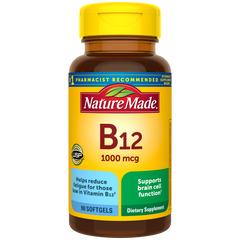
B vitamins, like B6, B12, folate, and biotin, support cellular energy metabolism; that's how our body turns the food we eat into cellular energy. Vitamin B6 and folate can help support the production of neurotransmitters important to your mood health, along with healthy brain and nervous system function.†
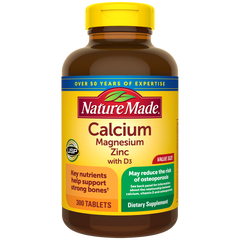
Vitamin D, along with the mineral magnesium, supports muscle and bone health. Calcium is another essential mineral that supports bone health, but you probably already knew that!†
Biotin helps support healthy hair and skin. For additional skin health support, look to vitamin A, vitamin C, and the essential minerals zinc and copper, found in our Hair-Skin-Nails‡ Softgels.†
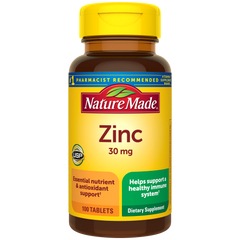
Immune function is another essential function that should be supported every day. Providing your body with nutrients like vitamins A, C, D, and zinc can give it a solid foundation of immune support.†
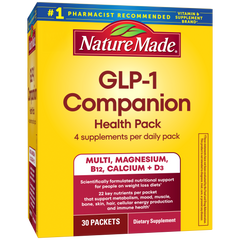
Looking for a convenient way to support your body's functions with a single dietary supplement during your weight-loss journey? Nature Made has a convenient GLP-1 Companion Health Pack, which provides scientifically formulated nutritional support for people on weight-loss diets. With 22 key nutrients per packet, this multivitamin provides essential vitamins and minerals for daily nutritional support, helping you support your weight loss journey with a source of magnesium, vitamin B12, vitamin D3, and calcium, all in one daily packet.†
Yes, it is always important to consult with your primary care practitioner before beginning a supplement routine, and it is even more important to do so if you are on prescription medications. A registered dietitian can also help you assess your nutrient intake and make food-first recommendations to guide you towards healthy nutrition for weight loss .
One thing is crucial to remember: nutrition always matters. That includes if you're using a GLP-1 medication, or even if you're thinking about it. No path to weight loss is complete without an understanding of your body's nutrient needs and how best to meet them. Supplements like Nature Made's GLP-1 Companion Health Pack can help support your nutritional needs while you focus on your goals. Ask your doctor whether a supplement plan is right for you and learn more about nourishing your body while on your weight loss journey.†
‡Supports healthy hair, skin & nails†
◆Helps convert food into cellular energy†
† These statements have not been evaluated by the Food and Drug Administration. These products are not intended to diagnose, treat, cure, or prevent any disease.
NatureMade Copywriter
Graham has a degree in film with a focus on screenwriting from the University of California, Santa Cruz. He enjoys learning new things and finding the best, most engaging way to communicate them to a wide audience. Graham appreciates simplicity in life and nutrition, and wants to find the easiest, no-stress ways to stay healthy.
Read More about Graham Morris
Science and Health Educator
Lynn is a Registered Dietitian (R.D.) and is a member of the Medical and Scientific Communications team at Pharmavite. She has over 20 years of experience in integrative and functional nutrition and has given lectures to health professionals and consumers on nutrition, dietary supplements and related health issues. Lynn frequently conducts employee trainings on various nutrition topics in addition to educating retail partners on vitamins, minerals and supplements. Lynn has previous clinical dietitian expertise in both acute and long-term care, as well as nutrition counseling for weight management, diabetes, and sports nutrition. Lynn earned a bachelor’s of science in Nutrition with a minor in Kinesiology/Exercise Science from The Pennsylvania State University. She earned a M.S. degree in Human Nutrition from Marywood University in Scranton, Pennsylvania. Lynn is an active member of the Academy of Nutrition and Dietetics, Sports Cardiovascular and Wellness Nutritionists, Dietitians in Functional Medicine, and holds a certification in Integrative and Functional Nutrition through the Academy of Nutrition and Dietetics.
Read More about Lynn M. Laboranti, RDReceive the Latest News and Special Offers