Active person stretching outdoors by a riverside bridge, wearing athletic gear.

Tips to Maintain Bone & Joint Health†

Nov 12, 2025 Joint Health articles Vitamin D articles
6 MIN

Active person stretching outdoors by a riverside bridge, wearing athletic gear.

Bones. Did you know you’ve got 206 of them? Hopefully, none are making a surprise appearance on the outside! Although we can’t see them, our bones literally support us every day.

Bones work together to give our body structure, which is essential to our health. The place where bones connect is called a joint; you may recognize them as elbows, knees, knuckles, and more.

Joints are made up of different tissues, including bones, ligaments, tendons and cartilage.[1] All these different elements working together allow our bodies to bend, twist, and move in all the ways we need to move through life. Bones and joints are essential to our mobility, so caring for bone and joint health is crucial for mobility and quality of life.

Essential Nutrients for Strong Bones

One convenient way to support strong bones is by ensuring your bones get adequate amounts of essential nutrients for bone health. Here are a few to look out for:

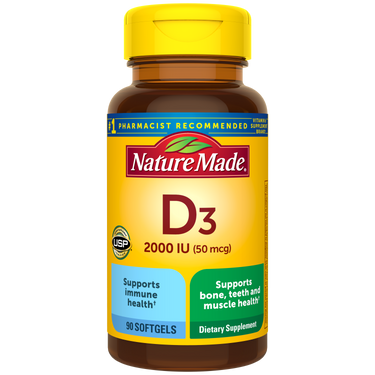
Vitamin D3

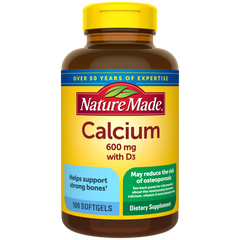
Vitamin D3 is the body's preferred form of vitamin D. So, what does vitamin D have to do with bone health? Vitamin D supports bone health by helping the body absorb Calcium, a bone health mineral. These two essential nutrients work well together, so Nature Made® Calcium Softgels include both vitamin D and calcium for bone health support.

Where do you get vitamin D in your day-to-day life? Vitamin D is called the sunshine vitamin because our body produces it in response to sunlight on our skin (without sunscreen). You can also find some vitamin D in fortified foods like breakfast cereals or by taking vitamin D supplements like those found in Nature Made's Vitamin D Collection.

Vitamin K

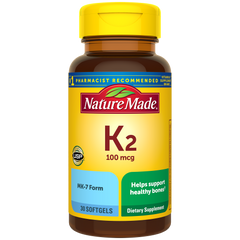
What would you say if you learned vitamin K was a bone health nutrient? Would you reply "K"? Well, whether you're excited or not, vitamin K works alongside vitamin D3 to support bone health by allowing calcium to get where it needs to go: your bones.

Vitamin K is mostly found in green leafy vegetables, broccoli, liver, certain cheeses, and some fermented foods. It is estimated that 55% of Americans have vitamin K intakes below recommended levels.[2] Nature Made Vitamin K2 Softgels support healthy bones and a healthy circulatory system with 100 mcg in one daily softgel.

Calcium

Here's the one you've been waiting for, the mineral that launched a thousand dairy ad campaigns due to its role in bone health: that's right, it's calcium. Calcium is the most abundant mineral in the body, and most of it is stored in bones and teeth.[3]

Calcium is the primary building block for strong bones; it plays an essential role in bone mineralization and maintaining bone density. It's crucial for building bones as a young adult and remains vital in keeping bones strong throughout the rest of your life. Adequate calcium throughout life, as part of a well-balanced diet, may reduce the risk of osteoporosis.

Wondering how to get calcium for bones? Including calcium-rich foods like dairy or soy foods, like tofu or soybeans is a great way to get this bone health mineral in your diet. Not a dairy-eater? Many plant-based alternatives are fortified with calcium, as are certain other foods like orange juice – just double check the label to be sure. Despite its importance, 43% of American adults do not consume enough calcium in their daily diet.[2] Nature Made offers Calcium Supplements to help you bridge this possible nutrient gap, available in softgel, gummy, and tablet forms.

Magnesium

Don't let calcium take all the credit: magnesium is another essential bone health mineral that shouldn't be forgotten. Magnesium supports bone health by helping with calcium absorption and bone mineralization.

Magnesium can be found primarily in plant foods including nuts, seeds, whole grains, and green leafy vegetables. Magnesium also assists in over 300 metabolic reactions in the body, so it's one multi-purpose mineral. Nature Made's Magnesium Collection includes Magnesium Citrate, Magnesium Glycinate, Magnesium L-Threonate, and a Magnesium Complex.

Supplements for Joint Health Support

Bones are just one half of the equation. Giving your joints targeted support is important to help maintain wellness and mobility as you age. Here are some nutrients important for joint health.

Glucosamine

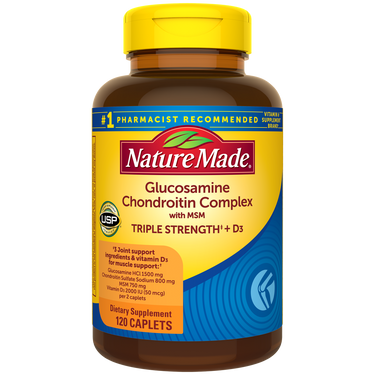
Glucosamine is a compound found in our cartilage, a tissue that functions as a cushion between hard bones in our joints.[4] Supplementing with glucosamine supports joint cartilage and overall joint health.

Supplements commonly source their glucosamine from the inedible shells of shellfish, so our diets don't usually include sources of glucosamine. To supplement with glucosamine, check out our Glucosamine Chondroitin Complex with MSM Triple Strength + Vitamin D3 Caplets.

MSM (Methylsulfonylmethane)

MSM, or Methylsulfonylmethane, is another common ingredient in a joint support supplement. MSM provides sulfur, an essential component for collagen and cartilage health. Consider a dietary source like asparagus, kale or milk, or a supplement that includes MSM to help support your joint health.

SAM-e (S-Adenosyl-Methionine)

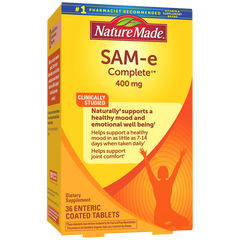
S-Adenosyl-Methionine, known by the more catchy SAM-e, supports joint comfort, particularly for aging individuals. SAM-e is a chemical the body produces from methionine, an amino acid found in protein-rich dietary sources like fish, beef, eggs, nuts and seeds.[5]

Our SAM-e Complete®◆ Tablets help support joint comfort, which may naturally deteriorate with physical activity and age by providing a source of sulfur, which is a critical component of joint tissue.

Collagen

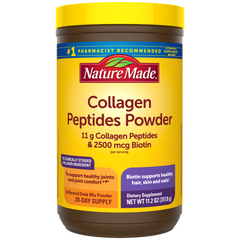
Collagen is a protein found in cartilage, bone, and more that supports joint comfort and mobility by promoting cartilage and connective tissue health. Bone broth is one dietary source of collagen. However, you may also be interested in collagen supplements like Nature Made's Collagen Peptides Drink Mix Powder.

Lifestyle Tips for Maintaining Bone & Joint Health

Of course, diet and supplementation aren't the only ways to support and maintain bone and joint health. Include them as part of a healthy lifestyle! For most people, exercise is a great way to support your bone and joint health; regular weight bearing exercises can strengthen your muscle tissue, and activities like walking, yoga, and resistance training help to improve joint flexibility. Speak with your health care practitioner before starting a new exercise or supplement routine.

Consuming a balanced diet of nutrient-dense foods like fruits, vegetables, and lean proteins can help support bone and joint health. Ensure you're drinking your water: hydration is an incredibly important and often overlooked factor in maintaining your daily wellness.

Lifestyle choices like limiting alcohol consumption and avoiding smoking can provide long-term bone and joint benefits. Smoking and excessive alcohol intake can negatively affect bone density and joint health.[6,7]

When to Consider Supplements as Your Age 

Paying attention to your body's needs is always important, and it only becomes more so as you age. Getting vital nutrients through your diet is always best, but different factors like schedules, food availability, and more can make meeting nutrient needs difficult at times.

Adding dietary supplements to your routine can help you care for your body as the years go by, providing a steady, regular source of essential nutrients in a convenient daily package.

Consultation with a healthcare provider

When considering a supplement routine, the best place to start is with your primary healthcare practitioner. Always consult a trusted medical professional before beginning or changing your supplement routine; they are equipped with the knowledge of your specific wellness goals and needs to give you a personalized recommendation, helping to ensure proper dosage and avoid possible interactions with medications. If you have any arthritis or experience joint pain, please talk to your healthcare practitioner.

Prioritize Your Bone & Joint Health Today

It's never too early or too late to start supporting your bone and joint health. Bone strength and joint mobility are essential for quality of life in every stage of life, and by developing a healthy lifestyle with movement and nutrient-dense foods, you can support these critical factors every day.

Don't swing for the fences; small, consistent lifestyle changes have a much more significant effect than giant changes you drop in a week or two. And if you're looking for a way to supplement a healthy lifestyle with some additional bone and joint support, Nature Made Bone Health Supplements and Joint Health Supplements are sourced from high-quality ingredients backed by science.

‡Contains: Glucosamine 1500 mg, Chondroitin 800 mg, MSM 750 mg, Vitamin D3 2000 IU (50 mcg).

♦Complete because studies have shown that SAM-e helps support a healthy mood and joint comfort.


† These statements have not been evaluated by the Food and Drug Administration. These products are not intended to diagnose, treat, cure, or prevent any disease.


References

  1. Branch NSC and O. Health Lesson: Learning About Joints. NIAMS. Published June 3, 2024. https://www.niams.nih.gov/health-topics/educational-resources/health-lesson-learning-about-joints
  2. Reider CA, et al. Inadequacy of Immune Health Nutrients: Intakes in US Adults, the 2005-2016 NHANES. Nutrients. 2020 Jun 10;12(6):1735.
  3. National Institute of Health. Calcium. Nih.gov. Published July 24, 2024. https://ods.od.nih.gov/factsheets/Calcium-HealthProfessional/
  4. Mayo Clinic. Glucosamine. Mayo Clinic. Published 2017. https://www.mayoclinic.org/drugs-supplements-glucosamine/art-20362874
  5. NCCIH. S-Adenosyl-L-Methionine (SAMe): In Depth. NCCIH. Published January 2017. https://www.nccih.nih.gov/health/sadenosyllmethionine-same-in-depth
  6. Al-Bashaireh AM, Haddad LG, Weaver M, Kelly DL, Chengguo X, Yoon S. The Effect of Tobacco Smoking on Musculoskeletal Health: A Systematic Review. J Environ Public Health. 2018;2018:4184190. Published 2018 Jul 11. doi:10.1155/2018/4184190
  7. Eby JM, Sharieh F, Callaci JJ. Impact of Alcohol on Bone Health, Homeostasis and Fracture repair. Curr Pathobiol Rep. 2020;8(3):75-86. doi:10.1007/s40139-020-00209-7

Authors

Graham Morris

NatureMade Copywriter

Graham has a degree in film with a focus on screenwriting from the University of California, Santa Cruz. He enjoys learning new things and finding the best, most engaging way to communicate them to a wide audience. Graham appreciates simplicity in life and nutrition, and wants to find the easiest, no-stress ways to stay healthy.

Read More about Graham Morris

Lynn M. Laboranti, RD

Science and Health Educator

Lynn is a Registered Dietitian (R.D.) and is a member of the Medical and Scientific Communications team at Pharmavite. She has over 20 years of experience in integrative and functional nutrition and has given lectures to health professionals and consumers on nutrition, dietary supplements and related health issues. Lynn frequently conducts employee trainings on various nutrition topics in addition to educating retail partners on vitamins, minerals and supplements. Lynn has previous clinical dietitian expertise in both acute and long-term care, as well as nutrition counseling for weight management, diabetes, and sports nutrition. Lynn earned a bachelor’s of science in Nutrition with a minor in Kinesiology/Exercise Science from The Pennsylvania State University. She earned a M.S. degree in Human Nutrition from Marywood University in Scranton, Pennsylvania. Lynn is an active member of the Academy of Nutrition and Dietetics, Sports Cardiovascular and Wellness Nutritionists, Dietitians in Functional Medicine, and holds a certification in Integrative and Functional Nutrition through the Academy of Nutrition and Dietetics.

Read More about Lynn M. Laboranti, RD