Person in yellow standing outdoors with hands resting on their stomach.

Can You Take Vitamins and Supplements on an Empty Stomach?

Feb 16, 2026 Berberine articles FAQs articles Lifestyle Tips articles SAM-e articles
6 MIN

Person in yellow standing outdoors with hands resting on their stomach.

A lot of us like to start the day with our vitamins and dietary supplements, taking them first thing in the morning so we can check one box off our to-do list and enjoy the rest of our day. But when you take vitamins, should you take them first, or wait until after breakfast? Can you take vitamins on an empty stomach?

To dig into this, we'll have to explain the different types of vitamins and nutrients you may find in your diet and supplements, and how they are absorbed. Consistency is key when it comes to supplementation, and we’re here to help you build a routine that supports your nutrient needs every day. Let's explore which supplements are best taken on an empty stomach, which are best taken with food, and why!

Why Timing Matters When Taking Your Vitamins

When it comes to supplements, the exact time of day isn’t as important as taking them consistently. The key is finding a time that works for you and turning it into a daily habit. How long does it take for vitamins to work? Vitamins and nutritional supplements work over time, not immediately, and they work best if you take them every day.

How can you ensure you take them consistently? Timing, timing, timing! Keeping a routine, such as taking your vitamins and supplements at the same time every day, can be a great boon to your vitamin routine consistency.

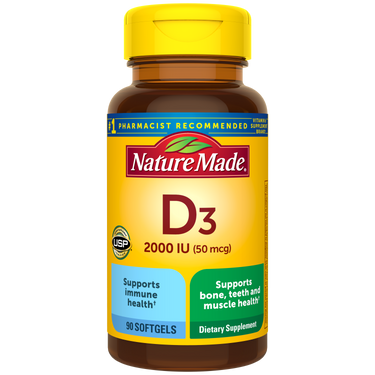
Additionally, some supplements may instruct you to take them with food, which is why many prefer to pair their supplement routine with a regular meal, like after breakfast or dinner. This is especially important for the fat-soluble vitamins like vitamins A, E, D, and K. While water-soluble vitamins dissolve in water and are absorbed in the digestive system, fat-soluble vitamins require dietary fat, such as healthy fats found in avocados and nuts, to be broken down and absorbed.

Always read the "Suggested Use" on the label, as some supplements should be taken on an empty stomach if the ingredient is sensitive to interactions with other nutrients. You may wonder what happens to your body when you start taking vitamins. Supplements provide your body with a consistent source of essential nutrients, which it needs to perform various daily functions.

Supplements You Can Take on an Empty Stomach

Can you take vitamins on an empty stomach? What about other supplements? While most vitamins should be taken with water and a meal, there are a few supplements that are recommended to be taken on an empty stomach.

SAM-e

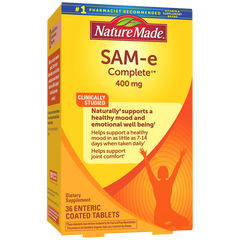
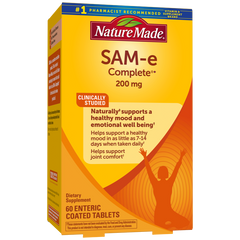
SAM-e is a molecule produced in our cells that plays a vital role in supporting a healthy mood and joint comfort. When provided in supplement form, such as our SAM-e Complete® Tablets, it is commonly recommended to take with water on an empty stomach.

Berberine

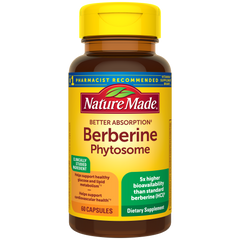
Some Berberine supplements are recommended to be taken on an empty stomach. Nature Made Better Absorption‡ Berberine Capsules provide a clinically studied Berberine Phytosome ingredient to support healthy glucose and lipid metabolism, and support cardiovascular health.■†

Should I Take Vitamin Gummies with a Meal?

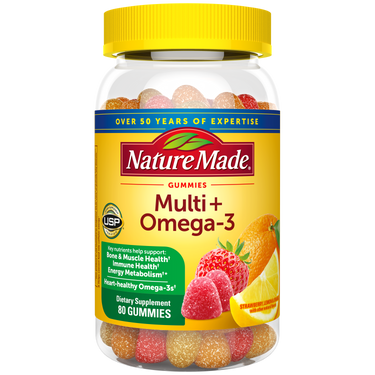
Gummy vitamins provide a convenient way to support your body with essential nutrients, but should you take vitamin gummies with a meal? Vitamin gummies can be taken with or without a meal, though a source of dietary fat may aid absorption.

Which Vitamins and Supplements Are Best Taken with Food?

Now that we know which supplements can be taken without food, what vitamins do I need to take with food?

Daily Multivitamins

Daily multivitamins often form the cornerstone of a supplement routine, but should they be taken with food? Yes! Multivitamins cover a wide range of nutrients, including both water-soluble and fat-soluble vitamins and minerals. By taking your multivitamin with a meal that includes healthy dietary fats, you help support the absorption of these fat-soluble vitamins and minerals and reduce the risk of stomach upset.

Calcium

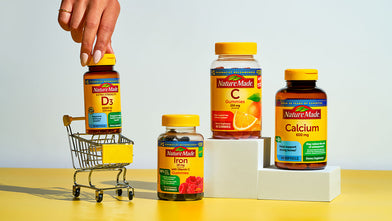
Calcium is an essential mineral that helps support healthy bone development. You may know it from its presence in milk and other dairy products. Calcium is one of the minerals that forms the building blocks of our bones: it supports a process known as bone mineralization, which is how our body constantly remodels our bones. Calcium Carbonate, a form of calcium present in supplements like our Calcium with Vitamin D3 Tablets, requires food for better absorption.

B-Complex

A B-Complex Supplement is made up of several B Vitamins that play similar roles in the body, namely helping our body turn the food we eat into cellular energy. While B vitamins are water-soluble, some people may experience stomach upset if taken on an empty stomach, so it's best to take them with a meal.

Vitamin C

Vitamin C is another water-soluble vitamin, so why is it listed here as a nutrient that is best taken with food? Vitamin C is well-tolerated with meals and may help increase iron absorption. We get a lot of iron from foods like meat and dark green, leafy vegetables, and pairing them with a source of iron may help our body uptake more of this essential mineral.[1] There's a reason orange juice and iron are a well-known pairing! Check out our Vitamin C Softgels for a convenient way to support immune health and help neutralize free radicals in the body.

Iron

If taken on an empty stomach, iron supplements may cause stomach upset or other GI symptoms. It's recommended to take iron supplements with food for this reason.

Nature Made's Iron Gummies with Vitamin C package this essential mineral with vitamin C to aid in absorption, and come in a delicious Raspberry flavor with other natural flavors.

Can Taking Vitamins on an Empty Stomach Cause Discomfort?

In some people, taking vitamins, minerals, and other supplements on an empty stomach may cause gastrointestinal discomfort. Certain vitamin and mineral supplements, such as iron, B-Complex, and zinc, can cause nausea or an upset stomach in some individuals. That's why Nature Made recommends taking multivitamins and any supplements containing those ingredients with water and a meal.

If you experience discomfort, try switching to a meal-based schedule to help improve your absorption and reduce the chance of discomfort. A gummy vitamin without minerals can also be a viable option for getting supplemental nutrients while sidestepping discomfort.

How to Create a Vitamin Routine That Works for You

When creating a vitamin routine, there's one word that you should consider: Consistency. It’s important to take dietary supplements like multivitamins on a regular schedule, as their benefits come from providing your body with a steady source of essential nutrients.

Try to find a time that's easy to remember: many people attach them to a regular meal like breakfast, lunch or dinner. That habit helps you remember, and you're already pairing it with a meal to help absorb fat-soluble vitamins and minerals.

Keep supplements in a visible location to help you remember to take them; just make sure to store them tightly closed, in a cool, dry place out of reach of children. Other tools, like pill organizers or a regular reminder on your phone, can also help you keep a consistent routine. The best routine is the one you stick with!

Do vitamins have calories? Gummy vitamins have calories, while most other types do not. Check the label to see how many calories your supplements contain.

When in Doubt, Ask Your Healthcare Provider

For assistance with how to take vitamins, follow the "Suggested Use" on the label as it may help minimize discomfort, aid absorption for minerals and fat-soluble vitamins, and ensure you're taking the intended doses. If you're taking medications, managing health conditions, or starting a new supplement regimen, it's essential to discuss your supplement plans with a healthcare practitioner. They can provide you with personalized guidance to help you get the best out of your supplement plan.

Choose the Right Time—and the Right Support—for Your Health Routine

So, can you take supplements on an empty stomach? While some supplements should be taken on an empty stomach, many are best taken with water and a meal. Listen to your body, and your doctor; if you experience discomfort from a supplement, consult with a healthcare provider for guidance as needed.

Are vitamin supplements good for health? Nature Made offers a wide range of supplements made with high-quality ingredients backed by science to help you bridge possible nutrient gaps and support your daily wellness needs. For a quick start, explore Nature Made's Multivitamins, designed to support your daily nutritional needs.


♦Complete because studies have shown that SAM-e helps support a healthy mood and joint comfort.

‡ Compared to Berberine hydrochloride (HCl) when taken on an empty stomach.

■ In older adults on a calorie-restricted diet.


† These statements have not been evaluated by the Food and Drug Administration. These products are not intended to diagnose, treat, cure, or prevent any disease.


References:

  1. Piskin E, Cianciosi D, Gulec S, Tomas M, Capanoglu E. Iron Absorption: Factors, Limitations, and Improvement Methods. ACS Omega. 2022 Jun 10;7(24):20441-20456. doi: 10.1021/acsomega.2c01833. PMID: 35755397; PMCID: PMC9219084.

Authors

Graham Morris

NatureMade Copywriter

Graham has a degree in film with a focus on screenwriting from the University of California, Santa Cruz. He enjoys learning new things and finding the best, most engaging way to communicate them to a wide audience. Graham appreciates simplicity in life and nutrition, and wants to find the easiest, no-stress ways to stay healthy.

Read More about Graham Morris

Sandra Zagorin, MS, RD

Science and Health Educator

As a member of the Medical and Scientific Communications team, Sandra educates healthcare professionals and consumers on nutrition, supplements, and related health concerns. Prior to joining Pharmavite, Sandra worked as a clinical dietitian at University of Chicago Medicine in the inpatient and outpatient settings. Sandra received her Bachelor of Science degree in Nutritional Science, with minors in Spanish and Chemistry from the University of Arizona in Tucson, AZ. She earned her Master of Science degree in Clinical Nutrition from RUSH University in Chicago, IL. As part of her Master’s program, Sandra performed research on physical activity participation and correlates in urban Hispanic women.

Read More about Sandra Zagorin, MS, RD