Person in a yellow sweater drinking a glass of water in a modern kitchen.

What Is Ozempic? And What Vitamins to Take With It

Dec 19, 2025 GLP-1 articles Weight Loss articles
5 MIN

Person in a yellow sweater drinking a glass of water in a modern kitchen.

If you're reading this article, you've probably heard of Ozempic. It's hard not to, as Ozempic is one of the most talked about GLP-1 medications today. But what is Ozempic, exactly? And what is GLP-1? And are there minerals and vitamins to take with Ozempic that can help you support your micronutrient intake?

Though GLP-1 medications like Ozempic are rising in popularity, this popularity can come with confusion if it's not paired with education. What is the best way to support your body while taking these medications? We'll break down what Ozempic is, what some common side effects may be, and what vitamins and minerals, and micronutrients in general, may help support your daily nutritional needs during your weight loss journey.

What is Ozempic and Other GLP-1s?

Ozempic is a brand name for semaglutide, a GLP-1 receptor agonist typically delivered through an injection. What's a GLP-1 agonist? GLP-1s are hormones produced in the small intestine that slow stomach emptying, increase your feeling of fullness, and trigger insulin release, supporting blood sugar control. GLP-1 agonists are medications that mimic the effects of the GLP-1 hormone and are used to reduce feelings of hunger and slow food intake.[1] While Ozempic is the most famous GLP-1 medication, did you know there are many other GLP-1 agonists widely used to support weight loss under medical supervision?

Common GLP-1 medications include: 

  • Wegovy (semaglutide) – Wegovy is the same basic ingredient as Ozempic, it is just administered at a higher dose.
  • Rybelsus (semaglutide) – Rybelsus is an oral tablet form of semaglutide, the same active ingredient as in Ozempic and Wegovy.
  • Mounjaro (tirzepatide) – Mounjaro is a GLP-1 agonist like Ozempic, but it works as a GIP (or Gastric Inhibitory Polypeptide) agonist as well and is prescribed for diabetes.
  • Zepbound (tirzepatide) – Zepbound has the same active ingredient as Mounjaro but is prescribed for weight loss instead of diabetes.

For more information about GLP-1 medications, what they do differently, and possible side effects from GLP-1 medications, consult your primary care practitioner.

How Nutritional Gaps Can Happen While Taking GLP-1s

Under medical supervision, GLP-1 medications can be a valuable tool on your weight-loss journey. However, it is essential to be aware that nutritional gaps may arise while taking GLP-1 medications. Due to appetite suppression and slowed digestion and gastric emptying, it is common for people on GLP-1 medications to eat fewer meals, and thus fewer calories, than they did before.

This can lead to a smaller intake of essential daily nutrients in some cases. Many GLP-1 medication users report skipping meals or eating smaller portions, which can make it more difficult to meet daily vitamin and mineral nutritional needs, leading to nutrient shortfalls.

That's why it is especially important to pay attention to what food you do eat while on a GLP-1 medication and ensure you're getting healthy nutrition for weight loss . Favor nutrient-dense foods in a balanced diet. Nutrient-dense foods include high ratios of nutrients to calories, where foods that are not nutrient-dense may have what are known as empty calories: they may make you feel full, but they may not provide you with the nutrients you need to fuel your daily activities.[2]

So, how should you approach your daily diet? Try to include lean protein sources, like fish, beans, and nuts, along with fiber from fruits and vegetables, and complex carbohydrates for energy. This also includes limiting red and processed meats, sodium, added sugars, and alcohol.[2] Consulting with a doctor or a registered dietitian can help you put together a balanced diet to meet your micronutrient needs within your new eating patterns.

What Vitamins to Take with Ozempic

While taking Ozempic or similar medications, you may be interested in vitamin support to help address potential nutrient gaps that may arise during your weight-loss journey. It is important to understand that supplements do not replace a meal, and they do not make GLP-1 medications work "better." However, they can provide a daily base of micronutrients to support key bodily systems.†

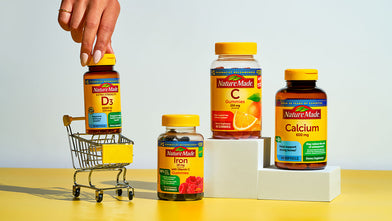
Supplements can provide a convenient way to support your daily micronutrient intake, even if you find yourself feeling fuller faster after a meal. What vitamins to take with Ozempic? Here's how certain vitamins and minerals can help support your health while taking Ozempic or other GLP-1 medications:

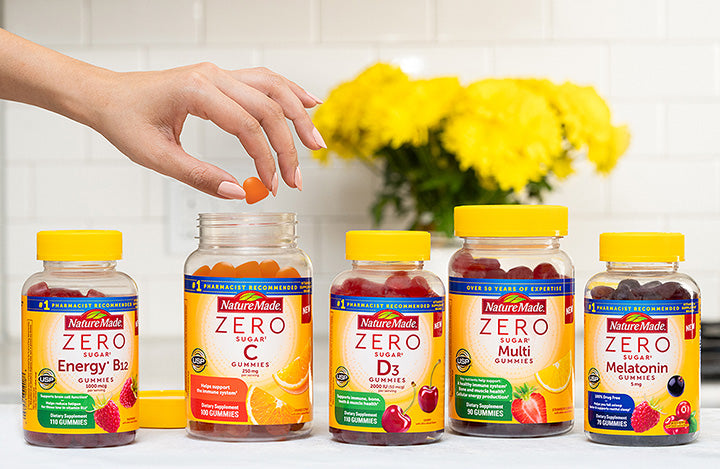
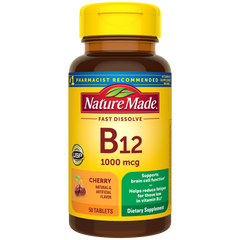
  • Vitamin B12 & Folate: These B Vitamins support red blood cell formation and cellular energy metabolism. Vitamin B12 is commonly found in meat products and may help reduce fatigue in those with low vitamin B12 levels, which can occur with reduced meat intake.†
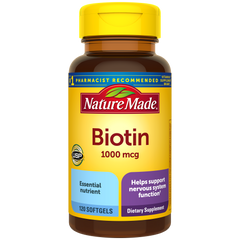
  • Biotin + Zinc + Vitamin C: Biotin supports healthy hair, skin and nails, while zinc and vitamin C support skin health. Vitamin C and zinc are also essential immune support nutrients.†
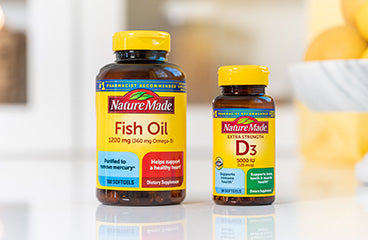
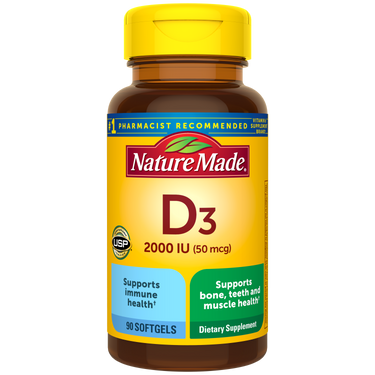
  • Vitamin D: Vitamin D is an immune-support nutrient that also helps support muscle and bone health by increasing the rate at which our body absorbs calcium from food.†
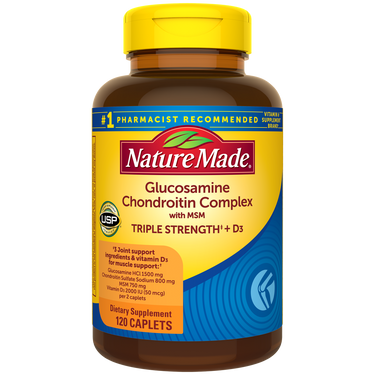
  • Magnesium: A multifunctional mineral that supports over 300 enzymatic reactions in the body. Among those functions, magnesium supports muscle and bone health.†
  • Calcium: Calcium is well-known for supporting bone health, as it is the most common mineral in bones.†
  • Vitamin B6: Vitamin B6 supports cellular energy metabolism, which is how our body turns the food we eat into energy our cells can use, and supports the formation of red blood cells.†

Addressing each of these possible nutrient shortfalls individually may feel overwhelming, but targeted support can make your daily supplement routine easier during weight loss.

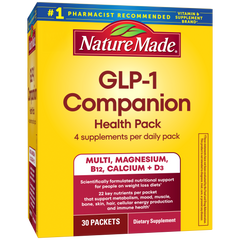
That's why Nature Made is introducing the GLP-1 Companion Health Pack to make nutrient support while on a GLP-1 medication and weight management journey much more convenient. Scientifically formulated for people on weight loss diets, with 22 key nutrients per packet, this GLP-1 Companion provides essential vitamins and minerals for daily nutritional support, including a multivitamin, magnesium for nerve, muscle, and bone support, vitamin B12 to support brain cell function, and calcium plus vitamin D3 to support strong bones and teeth.†

Please talk with your primary care practitioner before starting or changing a supplement routine; they are equipped with personalized knowledge to help you best reach your health and wellness goals.

Support Your Nutrition on a GLP-1 Journey

If you are taking, or considering, Ozempic or another GLP-1 medication, it's essential to pay attention to your nutrition and make sure you are eating well and supplementing with intention. Supplements like the GLP-1 Companion Health Pack from Nature Made are scientifically designed to help fill common nutrient gaps that may arise from reduced calorie intake while on a GLP-1 medication, supporting your daily wellness with vitamins and weight loss dietary support.†

While GLP-1 is in the name, this pack can provide support for anyone on a weight-loss diet, since many commercial weight-loss plans may not provide all the vitamins and minerals you need to keep up your daily nutritional support.[3] This includes diets like low-calorie, keto and more.†

Talk to your healthcare provider before starting any new supplement, especially if you are considering or already taking Ozempic or any other GLP-1 medication. A registered dietitian or nutritionist can provide guidance and helpful information to support your diet during your weight-loss journey.

Explore Nature Made's supplements today! Nature Made is the #1 Pharmacist-Recommended Vitamin and Supplement Brand.*


*Based on a survey of pharmacists who recommend branded vitamins and supplements.


† These statements have not been evaluated by the Food and Drug Administration. These products are not intended to diagnose, treat, cure, or prevent any disease.

References

  1. Cleveland Clinic. GLP-1 agonists. Cleveland Clinic. Published July 3, 2023. https://my.clevelandclinic.org/health/treatments/13901-glp-1-agonists
  2. American Heart Association. How Can I Eat More Nutrient-Dense Foods? www.heart.org. Published November 2, 2021. https://www.heart.org/en/healthy-living/healthy-eating/eat-smart/nutrition-basics/how-can-i-eat-more-nutrient-dense-foods
  3. G Engel M, J Kern H, Brenna JT, H Mitmesser S. Micronutrient Gaps in Three Commercial Weight-Loss Diet Plans. Nutrients. 2018;10(1):108. Published 2018 Jan 20. doi:10.3390/nu10010108.

Authors

Graham Morris

NatureMade Copywriter

Graham has a degree in film with a focus on screenwriting from the University of California, Santa Cruz. He enjoys learning new things and finding the best, most engaging way to communicate them to a wide audience. Graham appreciates simplicity in life and nutrition, and wants to find the easiest, no-stress ways to stay healthy.

Read More about Graham Morris

Lynn M. Laboranti, RD

Science and Health Educator

Lynn is a Registered Dietitian (R.D.) and is a member of the Medical and Scientific Communications team at Pharmavite. She has over 20 years of experience in integrative and functional nutrition and has given lectures to health professionals and consumers on nutrition, dietary supplements and related health issues. Lynn frequently conducts employee trainings on various nutrition topics in addition to educating retail partners on vitamins, minerals and supplements. Lynn has previous clinical dietitian expertise in both acute and long-term care, as well as nutrition counseling for weight management, diabetes, and sports nutrition. Lynn earned a bachelor’s of science in Nutrition with a minor in Kinesiology/Exercise Science from The Pennsylvania State University. She earned a M.S. degree in Human Nutrition from Marywood University in Scranton, Pennsylvania. Lynn is an active member of the Academy of Nutrition and Dietetics, Sports Cardiovascular and Wellness Nutritionists, Dietitians in Functional Medicine, and holds a certification in Integrative and Functional Nutrition through the Academy of Nutrition and Dietetics.

Read More about Lynn M. Laboranti, RD