Welcome to our store
Discover which Nature Made vitamins and supplements can support your wellness goals†
Get started now.
Discover how you can get the benefits you want from the nutrients you need without the sugar normally found in gummies.†
New Zero Sugar Gummies‡
Access expert insights, research, and other helpful content related to your health.
Explore Health Resources
Learn where our story began, and how we continue to evolve alongside our customers.
Discover Nature Made$0.00 away from Free Shipping You have earned Free Shipping*
Dec 23, 2025
Bone Health
articles
,
Calcium
articles
,
FAQs
articles
,
Immune System
articles
,
Vitamin D
articles
Supplement shelves at your local market are filled with all sorts of essential nutrients to up your daily intake: vitamin C, vitamin D, and minerals like magnesium, calcium, and iron. While individual supplementation can help you meet some of your needs, many people interested in supplements want to know how these nutrients interact with each other and why taking them together might benefit their daily wellness.†
Two of these key nutrients that work together in meaningful ways are vitamin D and calcium. This essential vitamin-mineral pair is common in multivitamins and supplement blends because both nutrients work individually to support the body's vital functions, and they work together to support bone and tooth health. Let's break down the roles of vitamin D and calcium, and what makes this synergistic pairing so special.†
You hear about vitamin D all the time, but why is vitamin D so important? An essential vitamin our body produces in response to sun exposure, vitamin D is a key part of many of our bodies' daily functions. Many cells in the body have vitamin D receptors that bind vitamin D in our blood to perform their functions.[1] There are plenty of vitamin D benefits for women, along with vitamin D benefits for men.†
Vitamin D supports immune cell function and helps to regulate a healthy immune response. Immune cells like macrophages, which function in the immune system by breaking down, or "eating," cells, express vitamin D receptors and require this essential nutrient to function. Vitamin D also plays a role in how and when immune cells express themselves.[2]†
You may have heard about vitamin D and aging, because vitamin D supports healthy cellular aging. In addition to immune support, vitamin D also supports bone, teeth, and muscle health. To understand how it does that, we'll have to learn about the other subject of this article: calcium.†
Calcium is a mineral well-known for its role in bone health. This reputation is well-earned, as calcium is the most common mineral in our bones and is essential for supporting strong bones and teeth.†
Calcium is an integral part of the process known as mineralization. While we might think of bones as solid and static, in actuality they are constantly being remodeled by cells known as osteoblasts. That's why we always need calcium to support the strength and structure of our skeletons.[3] Adequate calcium throughout life, as part of a well-balanced diet, may reduce the risk of
Calcium does more than just support our bones. This multifaceted mineral also supports muscle function, nerve transmission, and more.[4]†
So now that we know how vitamin D and calcium work separately, how do these essential nutrients work together? What is the vitamin D and calcium relationship? Vitamin D helps the body absorb calcium more efficiently. Working in the intestine, vitamin D increases calcium uptake from our food, more efficiently translating it into calcium that can be put to good use supporting our bone and tooth health.[5] You can see why vitamin D and calcium are often linked together: they have a synergistic function in our bodies.†
The best way to get calcium, as with most nutrients, is to eat calcium-rich foods. You might know that calcium is present in dairy products like milk, cheese, and yogurt, but did you know that many plant milks like oat and almond milk are fortified with calcium? So, convenient calcium is within reach even if you prefer an alternative dairy. Calcium is also present in leafy green vegetables like broccoli and kale.[4]
What are some vitamin D foods? While vitamin D isn't common in food sources, there are a few ways you can include it in your diet. Egg yolks and fatty fish, like salmon and mackerel, are some of the food sources of this essential nutrient, and cereals and grain products are often fortified with vitamin D.
But if you don't get much vitamin D from food, where are you supposed to get it from? We get most of our vitamin D from sunlight: about 15 minutes of uncovered skin exposure to sunlight without sunscreen every day helps our bodies synthesize vitamin D.
While you might assume everyone gets enough vitamin D because it's basically falling from the sky, you may be surprised to learn that 95% of Americans don't receive enough Vitamin D from their diet alone, and nearly one third experience Vitamin D deficiency.[6,7] Work schedules, weather, time of year, and geographical location can affect your daily access to sunlight.
Calcium intake may also vary depending on what foods are and aren't included in your diet, and 43% of American adults have dietary Calcium intake below the estimated average requirements.[7] Supplements can help fill nutritional gaps when food and sunlight fall short.†
Why is nutrition important as we age, and how do nutritional needs change over time? As we age, our bodies may need more of certain nutrients than we did before, which may not always be reflected in changes in our diets. Calcium from food is absorbed depending on the amount in each serving, as the body can only absorb so much calcium at one time. In order to meet calcium needs, generally you need to consume three or more calcium servings per day.[4] Absorption from calcium supplements is also dose dependent, the larger the dose, the lower percentage of absorption. For this reason, it is generally best to take doses of 500 mg or less at a time.[4]
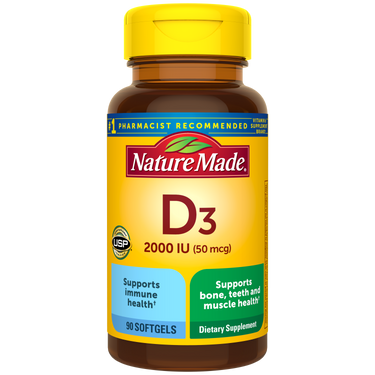
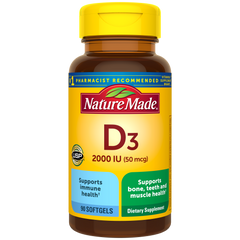
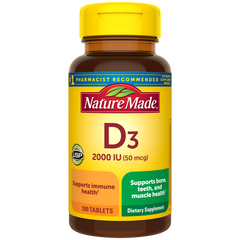
If you're thinking of adding vitamin D to your daily routine, one way would be to consider if you’re spending at least fifteen minutes outside in the sunlight without sunscreen each day, as sunlight is needed to help your body synthesize this essential nutrient. If you don’t spend much time outside, or if you’re good at remembering sunscreen, you can find some sources of this nutrient in Vitamin D foods like egg yolk and fatty fish. Nature Made also offers vitamin D supplements like our Vitamin D3 2000 IU Softgels as a way to help raise and maintain healthy vitamin D levels in the body. If your diet or lifestyle leaves gaps in your vitamin D or calcium intake, you may consider vitamin D calcium supplementation.†
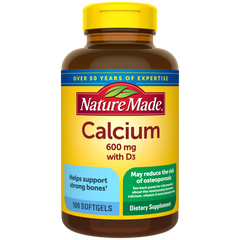
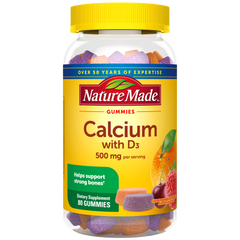
You may wonder, can I take calcium and vitamin D together? Yes! In fact, Nature Made offers several supplements that combine these two essential nutrients into a supplement blend, including Calcium with Vitamin D3 Softgels and Gummies, for a convenient way to get a daily dose of these two complementary nutrients. As always, make sure to speak with a healthcare practitioner for personalized guidance before starting or changing a supplement routine.
It makes sense why vitamin D and calcium are often paired together. If you're looking for nutrient support for your bone and tooth health, review your dietary sources of these two essential nutrients, explore ways your diet and lifestyle can help you include them more in your daily routine, and consider whether supplementation might be a useful addition to your day.
Always consult with your primary healthcare practitioner before including a new supplement in your daily routine, they can help you understand your individual needs and give tips and healthy habits for how to live a healthy lifestyle.†
Take educated steps to support your nutrient intake with high-quality supplements featuring ingredients backed by science. Check out aging supplements, vitamin D supplements, and more. Nature Made is the #1 Pharmacist Recommended Vitamins & Supplements brand.*
† These statements have not been evaluated by the Food and Drug Administration. These products are not intended to diagnose, treat, cure, or prevent any disease.
NatureMade Copywriter
Graham has a degree in film with a focus on screenwriting from the University of California, Santa Cruz. He enjoys learning new things and finding the best, most engaging way to communicate them to a wide audience. Graham appreciates simplicity in life and nutrition, and wants to find the easiest, no-stress ways to stay healthy.
Read More about Graham Morris
Science and Health Educator
Kalyn is a Registered Dietitian-Nutritionist and a Science & Health Educator with the Medical and Scientific Communications team at Pharmavite. Her experience in the field of nutrition prior to joining Pharmavite has included community and public health education, media dietetics, and clinical practice in the areas of disordered eating, diabetes, women’s health, and general wellness. Kalyn received her Bachelor of Science degree in Nutrition and Dietetics from Arizona State University in Phoenix, Arizona, and completed her dietetic supervised practice in Maricopa County, AZ, with an emphasis on public health. Kalyn is certified in Integrative and Functional Nutrition through the Academy of Nutrition and Dietetics, where she is an active member in addition to memberships in Dietitians in Functional Medicine, Women’s Health Dietitians, and the International Federation of Eating Disorder Dietitians.
Read More about Kalyn Williams, RDNReceive the Latest News and Special Offers