Welcome to our store
Discover which Nature Made vitamins and supplements can support your wellness goals†
Get started now.
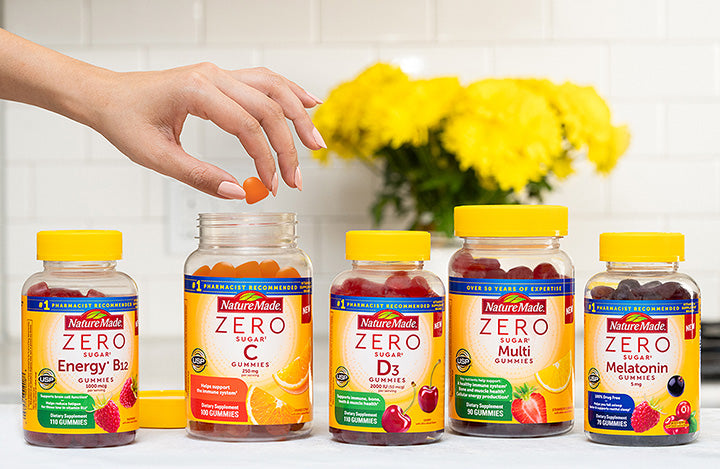
Discover how you can get the benefits you want from the nutrients you need without the sugar normally found in gummies.†
New Zero Sugar Gummies‡
Access expert insights, research, and other helpful content related to your health.
Explore Health Resources
Learn where our story began, and how we continue to evolve alongside our customers.
Discover Nature Made$0.00 away from Free Shipping You have earned Free Shipping*
Jan 14, 2026
Healthy Aging
articles
,
Vitamin D
articles
Vitamin D is an essential nutrient that supports our bodies in many important ways, such as immune function and bone and teeth health. But what do you know about vitamin D and aging? Did you know that vitamin D is a key nutrient that supports healthy aging? As we get older, it's common for our interest in health and wellness to grow.†
Why is nutrition important as we age? While nutrition and wellness are essential at any age, the bumps that may come along the road of life can make us look for ways to support our bodies as we age. Find out why Vitamin D is an essential nutrient that supports our health as we age, particularly by supporting our immune system and bone, teeth, and muscle health. Plus, learn more about choosing a Vitamin D supplement.††
Balanced nutrition is an essential part of supporting our bodies as we age, and getting enough vitamin D is important because it contributes to your wellness and supports cellular health. Vitamin D and age are talked about together because this essential nutrient supports areas of our health that become more important as we age, like our immune systems, bones, muscles, and teeth.†
But that's not the only way vitamin D contributes to healthy aging. A clinical study focused on vitamin D and aging of cells showed that older adults who consistently took 2000 IU of vitamin D3 supplements for 4 years could prevent 3 years of telomere shortening.[1] What exactly does that mean? Well, telomeres are little endcaps that sit at the end of our DNA chromosomes, like aglets at the end of our shoelaces. Over time, they get worn down, making them a key indicator of cellular, or biological age.†
Let's dig into the vitamin D benefits for women and men as you age and why getting enough is essential for your wellness. Did you know that 95% of Americans do not consume enough Vitamin D from their diet alone, and nearly one-third are Vitamin D deficient?[2,3] That's why being mindful of your vitamin D intake is essential.†
Vitamin D supports our bones, our teeth, and our muscles. Those are essential systems, especially as we age. How does little old vitamin D do so much heavy lifting? This all comes from a vital mechanism vitamin D helps make possible: calcium absorption.†
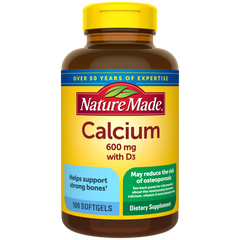
We all know we get calcium from food products like dairy and vegetables, but did you know that vitamin D improves calcium absorption in the intestine? That's why vitamin D and calcium are combined in many supplements, like Nature Made Calcium with D3 Softgels. Adequate vitamin D helps our bodies absorb calcium from our food, so it can be used to maintain strong bones, support tooth health, and support muscle function.†
Another key role vitamin D plays in the body is supporting immune health. Our immune system is our body's first line of defense, and vitamin D is essential for supporting a healthy immune response.†
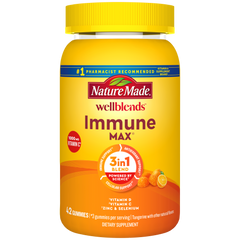
How does vitamin D support our immune system? Vitamin D supports immune cell function, including macrophages, thereby supporting the body's natural immune defenses. Vitamin D also helps to regulate a healthy immune response, providing cellular support and supporting healthy immune cell function. Nature Made Wellblends™ Immune MAX® Gummies include a dose of vitamin D along with zinc, selenium and vitamin C, all important immune support nutrients.†
Now we know why vitamin D is so important, which leads to the following question: where do we get it? We get most of our vitamin D from the sun, as sunlight on uncovered skin kickstarts the body's production of vitamin D. But if 95% of people aren't getting enough vitamin D in their diet, combined with spending too much time indoors, or covering up when they go outside with clothing or sunscreen, then what are some tips and tricks to get vitamin D for older adults?[2,3]
As stated above, the most common source of vitamin D is sunlight. The general rule of thumb is 15 minutes of sun exposure per day without sunscreen, with your arms and head uncovered. However, there may be reasons this isn't easily achievable, such as weather, age, time of year, location, or a desire to cover up with sunscreen for skin protection. If that sounds like you, consider looking for alternative sources of this essential vitamin.
Vitamin D is present in some food sources, but it's not exactly in prodigious amounts. Foods like fatty fish, egg yolks, and some fortified milks and cereals can provide a dietary source of vitamin D, but getting enough vitamin D from food alone may be a challenge.[4]
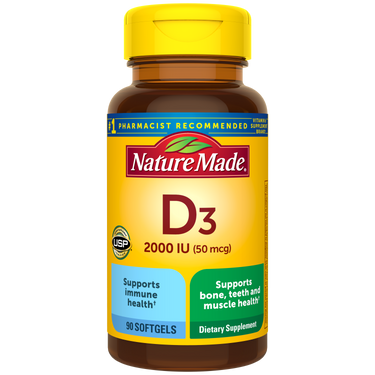
Dietary supplements are formulated to help you fill possible nutrient gaps. Vitamin D is a common nutrient gap, and Nature Made provides a convenient source of vitamin D supplements to help you support your bone, teeth, muscle, and immune health if diet and sunlight aren't enough. Supplementation can support healthy habits by providing a consistent intake of specific nutrients. Always consult your primary care provider before adding a supplement to your daily routine; they are equipped to provide personalized guidance.†
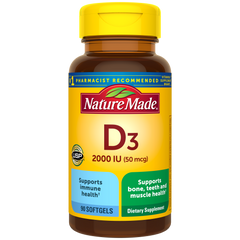
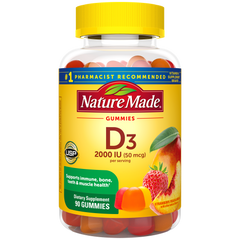
Did you know vitamin D actually comes in two different forms, vitamin D2 and vitamin D3? Nature Made supplements use vitamin D3, the body's preferred form of vitamin D. That's because vitamin D2 must be converted to D3 in the body before it can be used. Nature Made supplements come in several forms, dosages, and blends to help you find our best vitamin D supplement for you.†
How do nutritional needs change over time? We are all different, and our individual vitamin D needs can vary depending on factors like age, diet, and lifestyle. There's no one-size-fits-all for vitamin D. Talk with your doctor or a medical professional to determine what's right for you.
The Endocrine Society recommends following the recommended dietary allowances for vitamin D, which is 15 mcg (600 IU) from ages 1-70, then 20 mcg (800 IU) from 70 up. They also suggest vitamin D supplementation for pregnant adults or those in whom vitamin D treatment is indicated, as well as for children ages 1-18.[4,5] Our Kids First line offers a selection of supplements for children.†
Now we know the vitamin D benefits for men and women on their aging journey. Vitamin D is essential to support healthy aging by supporting bone, teeth, muscle, and immune health. Older adults may find it more challenging to meet their vitamin D goals through sunlight and diet alone and may find Nature Made Vitamin D Supplements a smart, convenient way to provide daily vitamin D support. Explore our vitamin D and aging supplements collections as part of a daily routine, and read more tips on how to live a healthy lifestyle here at Nature Made, the # Pharmacist Recommended Vitamin and Supplement Brand.*†
*Based on a survey of pharmacists who recommend branded vitamins and supplements.
† These statements have not been evaluated by the Food and Drug Administration. These products are not intended to diagnose, treat, cure, or prevent any disease.
NatureMade Copywriter
Graham has a degree in film with a focus on screenwriting from the University of California, Santa Cruz. He enjoys learning new things and finding the best, most engaging way to communicate them to a wide audience. Graham appreciates simplicity in life and nutrition, and wants to find the easiest, no-stress ways to stay healthy.
Read More about Graham Morris
Science and Health Educator
Lynn is a Registered Dietitian (R.D.) and is a member of the Medical and Scientific Communications team at Pharmavite. She has over 20 years of experience in integrative and functional nutrition and has given lectures to health professionals and consumers on nutrition, dietary supplements and related health issues. Lynn frequently conducts employee trainings on various nutrition topics in addition to educating retail partners on vitamins, minerals and supplements. Lynn has previous clinical dietitian expertise in both acute and long-term care, as well as nutrition counseling for weight management, diabetes, and sports nutrition. Lynn earned a bachelor’s of science in Nutrition with a minor in Kinesiology/Exercise Science from The Pennsylvania State University. She earned a M.S. degree in Human Nutrition from Marywood University in Scranton, Pennsylvania. Lynn is an active member of the Academy of Nutrition and Dietetics, Sports Cardiovascular and Wellness Nutritionists, Dietitians in Functional Medicine, and holds a certification in Integrative and Functional Nutrition through the Academy of Nutrition and Dietetics.
Read More about Lynn M. Laboranti, RDReceive the Latest News and Special Offers