Welcome to our store
Discover which Nature Made vitamins and supplements can support your wellness goals†
Get started now.
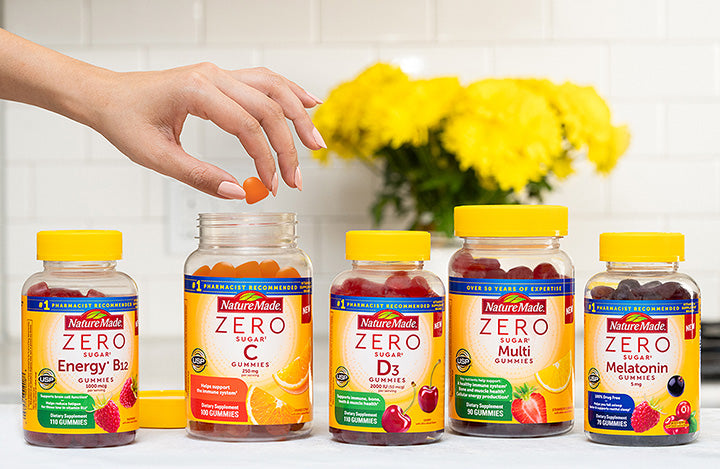
Discover how you can get the benefits you want from the nutrients you need without the sugar normally found in gummies.†
New Zero Sugar Gummies‡
Access expert insights, research, and other helpful content related to your health.
Explore Health Resources
Learn where our story began, and how we continue to evolve alongside our customers.
Discover Nature Made$0.00 away from Free Shipping You have earned Free Shipping*
Feb 16, 2026
Healthy Skin
articles
,
Self-Care
articles
Healthy skin is something we all strive for. The good news is that taking care of your skin both inside and out can help support your natural beauty. However, it's common to wonder how to keep supporting skin health as you age. While topical skin care products and cleansers can be a beneficial part of your routine, skin maintenance begins on the inside with nutritional support. Nutrition, vitamins, and supplements are all factors you should consider if you want to support healthy skin over time. Let’s explore simple, science-backed ways to keep supporting your healthy skin every day.†
Our skin is our most prominent outward-facing organ, and it’s an exterior appearance that can reflect what’s happening on the inside. That means our skin health is very reactive to our overall health and nutritional status. So, taking care of yourself with a whole-body perspective, not just your face, is a key step in keeping our skin healthy.
This can take many forms, such as antioxidant sources to help combat oxidative stress, vitamins that support key skin compounds, and proteins that play a role in our skin health. Internal nutritional support is one of the key foundations of our skin, so if you’re looking for ways to help keep skin healthy, starting with your diet and nutrients can make a difference.†
When learning how to take care of your skin, keep an eye on these essential vitamins for skin health for nutritional support as you age.†
Vitamin A is an "A-plus" choice for skin health support, and it’s not too hard to include in your daily routine. We get carotenoids from food sources, which are precursors to vitamin A that our body converts into this essential vitamin. Sources of carotenoids include leafy greens, carrots, and sweet potatoes. We can also get preformed vitamin A from food, mostly from animal products such as beef liver, fish, eggs, and dairy products.[1]†
Vitamin C, commonly found in the form of ascorbic acid, is an essential vitamin that supports skin in several ways. Vitamin C is a key component of collagen production, the most common protein in our skin. Vitamin C also functions as an antioxidant, helping to neutralize free radicals in the body. Where can we get vitamin C? It’s most famously found in citrus fruits like oranges, grapefruits, and lemons, but vitamin C is also found in bell peppers, strawberries, and other fruits and vegetables.[2]†
If you’re looking for a productive way to support your skin health, look for sources of vitamin E. This essential vitamin supports healthy skin, working alongside vitamin C as an antioxidant to protect skin from oxidative stress. Vitamin E can be found in vegetable oils, nuts and seeds, and leafy greens like spinach.[3]†
Biotin, also known as vitamin B7, is another essential nutrient that supports healthy skin. Biotin is a B vitamin, which means it plays a key role in the cellular energy production cycle. It’s important to understand that skin health starts from within, so aim for regular dietary sources of this essential vitamin. You can find biotin in your diet in eggs, nuts, seeds, and legumes.[4]†
Taking care of your skin requires taking a whole-body approach. Here are some key habits to guide you on how to get healthy skin.
Hydration is key to many parts of our health; there’s a reason it’s widely known that humans are mostly water. Keeping up with your hydration supports your skin by allowing it access to all the water it needs and helps it function at its best.
The best way to get your vitamins and minerals is by eating a balanced, nutrient-dense diet. When looking for foods for healthy skin, keep an eye out for whole foods rich in vitamin A, vitamin C, vitamin E, biotin, zinc and collagen-supporting nutrients. Including sources of these nutrients in your diet may help support healthy skin from within.†
When you’re trying to support your overall wellness, it's easy to forget the importance of quality sleep. It makes sense: our lives are busy, and in the pursuit of doing more, we can unintentionally encroach on the time we need for rest. Rest is important because it supports the body’s natural repair processes, which are key to maintaining all our cells, including skin cells.[5] Try setting a consistent bedtime routine, turning off screens in the hours before bed, and engaging in restful activities like reading or taking a bath to help your body prepare for restful sleep.
Stress management and quality sleep often go hand in hand. The stresses of modern life can build up and seem insurmountable, but taking active steps toward healthy stress management practices like meditation or gentle movement can help support overall wellness, and overall wellness is often reflected in your skin health.
Exercise and skin health? They’re more connected than you might think. Regular physical activity, whether that’s going for a jog, doing sit-ups, or playing your favorite sport, supports healthy circulation and gets the blood pumping. Circulation is important for many things, including skin, as it transports the nutrients and materials our skin needs for nourishment.
While some may view “fats” as a negative word, including amounts of healthy fats in your daily diet is actually an important step toward supporting your skin health. Foods like salmon, nuts, and avocados contain healthy fatty acids and oils that support the skin’s natural barriers and moisture balance.[6] Be sure to include sources of unsaturated fats in your diet to nourish your skin.
Consistency is key: instead of loading up on vitamins one day and neglecting them the rest, aim for a balanced diet every day for the best benefits. Your body requires consistent sources of nutrients to use them effectively. The ideal way to do this is to include nutrient-dense foods in your regular diet, but due to schedules, travel, or limited food availability, this can sometimes be difficult to achieve. Dietary supplements can provide a convenient, consistent source of skin-supporting nutrients to help maintain healthy aging skin.†
While there are easy lifestyle choices that can support your skin health, others can be detrimental. Avoiding smoking and limiting alcohol intake can help support your body’s natural ability to maintain skin wellness, alongside many other health benefits.[7]
Sometimes the environment can be just as much a determinant of skin wellness as everything else. Very dry, very cold, or very hot air can place stress on the skin over a long period of time. Using what you can to control these factors, such as humidifiers or air conditioning, can help support your skin's comfort and reduce stress on your skin cells. And be sure to apply sunscreen to protect your skin from the sun's UV rays. Following these habits can help keep skin supported and healthy.
When choosing a supplement for skin support, consider your lifestyle habits and any dietary gaps. Discussing your diet with a doctor or registered dietitian can help you identify possible nutrient gaps. Nature Made offers a variety of hair, skin and nails vitamins and supplements, including our Advanced Hair, Skin & Nails Gummies, which provide biotin, vitamins C and E, pro-retinol A▲, and niacinamide to support your beauty from within.†
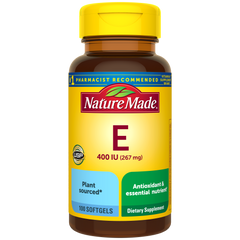
If you’re looking for a vitamin E supplement, check out our Vitamin E d-Alpha Softgels. If you want a multivitamin that includes many of these skin support nutrients alongside other important vitamins and minerals for overall wellness, our Advanced Multivitamins for Her and for Him provide a broad base of nutrient support. Consult with a healthcare provider before adding new supplements to your routine; they can provide personalized guidance on which supplements may be beneficial for your overall wellness.†
Learning how to take care of your skin as you age requires several factors, including proper nutrition that includes essential skin health vitamins like vitamins A, C, E, and biotin, and healthy lifestyle choices, including adequate sleep and hydration.†
Take proactive measures to support your skin health by considering your diet and supplement choices. If you’re looking for a supplement to support your skin, Nature Made offers science-backed ingredients to help support healthy skin as part of your daily skin care routine.†
▲Retinyl Acetate and Beta Carotene
† These statements have not been evaluated by the Food and Drug Administration. These products are not intended to diagnose, treat, cure, or prevent any disease.
NatureMade Copywriter
Graham has a degree in film with a focus on screenwriting from the University of California, Santa Cruz. He enjoys learning new things and finding the best, most engaging way to communicate them to a wide audience. Graham appreciates simplicity in life and nutrition, and wants to find the easiest, no-stress ways to stay healthy.
Read More about Graham Morris
Science and Health Educator
Kalyn is a Registered Dietitian-Nutritionist and a Science & Health Educator with the Medical and Scientific Communications team at Pharmavite. Her experience in the field of nutrition prior to joining Pharmavite has included community and public health education, media dietetics, and clinical practice in the areas of disordered eating, diabetes, women’s health, and general wellness. Kalyn received her Bachelor of Science degree in Nutrition and Dietetics from Arizona State University in Phoenix, Arizona, and completed her dietetic supervised practice in Maricopa County, AZ, with an emphasis on public health. Kalyn is certified in Integrative and Functional Nutrition through the Academy of Nutrition and Dietetics, where she is an active member in addition to memberships in Dietitians in Functional Medicine, Women’s Health Dietitians, and the International Federation of Eating Disorder Dietitians.
Read More about Kalyn Williams, RDNReceive the Latest News and Special Offers