Person chopping fresh vegetables on a wooden cutting board in a modern kitchen.

Healthy Nutrition for Your Weight Loss Journey

Dec 19, 2025 GLP-1 articles Healthy Eating articles Weight Loss articles
6 MIN

Person chopping fresh vegetables on a wooden cutting board in a modern kitchen.

Finding your way to weight loss can mean exploring different options. However, many popular diet trends may promote restricting or eliminating certain foods, sometimes even in unsustainable ways. It's vital to ensure that as you find your way on your weight loss journey, you don't lose track of real nourishment and the ways healthy nutrition supports energy, mood, digestion, and overall well-being. While your specific weight loss journey may mean eating less overall, that means it's even more important to choose foods that nourish your body with essential daily nutrients. Consider supplementation to provide additional nutritional support along the way. Any path to weight loss may benefit from a nutrient-based guide to understand how your intake of vitamins and weight loss dietary changes can be related, so read on to learn more about healthy nutrition and weight loss.

What Does "Healthy Nutrition" Really Mean for Weight Loss?

Healthy nutrition and weight loss might sound simple enough, but what exactly is it? Healthy nutrition means making better, smarter food choices and understanding that nutrition encompasses everything you put into your body, not just the foods you choose to eat. The key principles of healthy nutrition are nutrient density, balance, and consistency. What does each of them mean? Let's break them down.

Nutrient Density

Nutrient-dense foods are rich sources of vitamins, minerals, and other essential nutrients our bodies need for daily function. Food is "nutrient-dense" if the ratio of nutrients to calories is high; foods with a low ratio of nutrients to calories include what are known as "empty calories." Nutrient-dense foods include fruits and vegetables, whole grains, fish, lean cuts of unprocessed meat, and plant-based sources of protein like legumes and nuts.[1]

Balanced Diet

Ever wonder what “balanced diet” really means? Hint: It’s more than just eating your greens. A balanced diet includes about 50% whole fruits and vegetables, 25% lean protein, and 25% whole grains.[2] Of course, everyone's needs are different, but these standards are a good guideline for making smart food choices. A balanced diet prioritizes essential vitamins, minerals, fiber, lean protein, and hydration, which are all cornerstones of daily wellness. Going for extremes by over-favoring certain groups or completely cutting out others leads you away from balance.

Consistency

Finally, the most important piece: consistency. Without it, healthy habits won’t stick. Eating a consistent diet is essential for your overall well-being. Improving your diet happens over time; it's not just eating healthy foods one day a week. Sustainable diets that prioritize consistency will help you maintain a balanced, nutrient-dense diet over time.

Popular Diets That May Lead to Nutritional Shortfalls

While some diet fads may sound healthy, it's essential to be cognizant of your body's nutrient needs. Many commercial diets can fall short of a balanced diet by restricting or eliminating whole food groups, leading to a loss of specific essential nutrients.[3] Here are a few common diets that may lead to missing nutrients.

Keto and Low-Carb Diets

These diets are often low in fiber, along with essential vitamins, minerals, and phytochemicals.[4] By neglecting whole fruits and vegetables, you lose out on many essential vitamins and minerals.

Plant-Based or Vegan Diets (Without Proper Planning)

There are many reasons why one might choose a plant-based or vegan diet. While these diets are entirely achievable in a balanced way, they require careful planning to ensure you don't miss out on many essential nutrients found in animal products. Plant-based or vegan diets can be low in vitamin B12, iron, calcium, zinc, and omega-3 fatty acids.[5] Balancing your diet with plant-based sources of these nutrients, or supplementing to address any potential nutrient shortfalls, can help you support your well-being as you go vegan or vegetarian.

Intermittent Fasting

Intermittent fasting is a diet plan that involves skipping certain meals. Skipping meals can lead to inconsistent intake of vitamins and minerals, so it's essential to be aware of which nutrients you may be missing.

Detoxes or Juice Cleanses

Detoxes and juice cleanses severely restrict your intake of calories, protein, and fat, which are the fuels your body needs. Additionally, they often lack sources of fiber and fat-soluble vitamins like vitamin A, vitamin D, vitamin E, and vitamin K. By restricting the variety of food you intake, nutrient diversity tends to go down.

Any diet that excludes entire food groups, limits variety, or restricts calories too severely can create nutrient gaps—no matter how trendy it sounds.

The Building Blocks for a Nutrient-Rich Diet

If those are the pitfalls of specific trendy diets, how do you build a nutrient-rich diet? Here are the building blocks to help you build a practical, nutrient-dense eating plan.

#1 Protein for Muscle Health

Protein is essential for muscle health, and it supports your lean body mass during weight loss. Don't forget to include protein sources on your weight-loss journey. Lean protein can come from plant-based sources, such as legumes, lentils, and nuts, as well as from animal products like lean chicken, salmon, and eggs.[3]

#2 Fiber for Digestion

Fiber helps us digest the food we eat and move it through our bodies. There are two kinds of fiber, soluble fiber and insoluble fiber, and both help support gut health. Digestive fiber is found in whole vegetables and fruits, along with legumes and whole grains.

#3 Healthy Fats for Balance in Diet and to Support Overall Health

While "fat" may seem like a scary buzzword, it's actually essential to a balanced diet. Dietary fats are oils and fats found in your food, and do not equal body fat. Dietary fat helps your body absorb fat-soluble vitamins like vitamin A, vitamin D, vitamin E, and vitamin K. Healthy fats are what are known as “unsaturated fats,” and are generally liquid at room temperature. You can find healthy dietary fats to include in your diet in moderate amounts in fish, nuts and most vegetable oils like olive and canola oil.[6]

#4 Complex Carbohydrates for Energy

Do you know the source of your body’s favorite fuel? It’s complex carbohydrates, which our bodies break down and use as fuel to support us throughout the day. The best sources of complex carbohydrates include whole grains, legumes, and starchy vegetables, which provide your body with sustained fuel without sharp blood sugar crashes.

#5 Hydration to Support Every System

Every diet needs to include this essential ingredient: water! Given the heavy focus on food, it's common for diets to overlook your hydration needs. Water is critical for every component of our bodies' interlocking systems, including metabolism, digestion, and even appetite regulation. Always drink water with your meal, and it's best to avoid sugary drinks as a source of hydration.

The Role of Vitamins and Minerals in a Healthy Weight Loss Plan

Vitamins and minerals should be key components of every healthy nutrition for weight loss plan. It can be easy to miss key nutrients if you're following a low-carb, plant-based, or elimination diet, along with intermittent fasting, low-calorie diet plans, or medications that affect appetite or digestion, such as GLP-1s.

What is GLP-1, and what is Ozempic? GLP-1 medications like Ozempic work by slowing the digestion and emptying of your stomach, and increasing how full you feel after you eat, by affecting the parts of your brain that process hunger.[7] This can lead to missing out on key nutrients.

Gaps can also arise from other causes, such as skipping meals due to busy schedules, reduced meal variety, or gut absorption issues. That's why it's essential to monitor your nutrient intake and identify ways to address potential nutrient gaps. It’s important to work with your healthcare provider to understand your individual needs for your personal weight loss journey.

How Supplementation Can Help Fill Potential Nutrient Gaps During Weight Loss

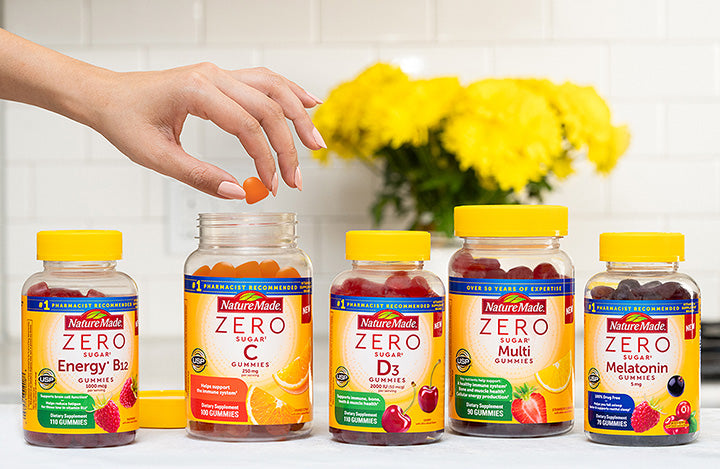
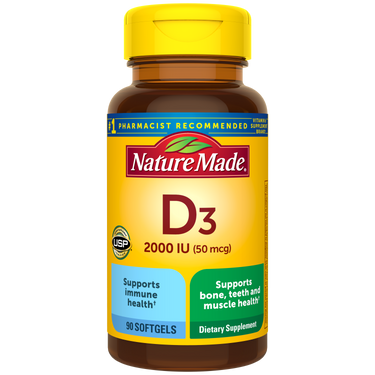
 Supplements can be a valuable tool during your weight loss journey and can help to complement your diet and support your body's nutritional needs. For example, you can support energy metabolism, or the way your body transforms the food you eat into cellular energy, with B vitamin supplements. Muscle and bone health are also essential to maintain during weight loss: vitamin D, calcium, and magnesium can support your muscles and bones so they can support you. Vitamin C, vitamin A, and zinc are essential nutrients for immune and skin support.

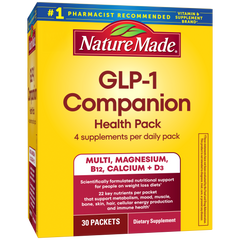
Nature Made's GLP-1 Companion Health Pack provides a daily source of 22 essential nutrients, scientifically formulated for people on weight-loss diets, including those using a GLP-1 medication.

Build a Healthy Weight Loss Plan That Supports Your Body

When starting your weight loss journey, it's essential to consult with your primary healthcare practitioner or a registered dietitian to find the best way to combine balanced meals with smart supplementation to achieve healthy nutrition during your weight loss journey. For a convenient way to support your nutrient intake on your weight loss journey, consider our GLP-1 Companion Health Pack, and explore Nature Made dietary supplements today.


† These statements have not been evaluated by the Food and Drug Administration. These products are not intended to diagnose, treat, cure, or prevent any disease.

References

  1. American Heart Association. How Can I Eat More Nutrient-Dense Foods? www.heart.org. Published November 2, 2021. https://www.heart.org/en/healthy-living/healthy-eating/eat-smart/nutrition-basics/how-can-i-eat-more-nutrient-dense-foods
  2. Cleveland Clinic. What exactly is a balanced diet? Cleveland Clinic. Published September 27, 2024. https://health.clevelandclinic.org/balanced-diet
  3. G Engel M, J Kern H, Brenna JT, H Mitmesser S. Micronutrient Gaps in Three Commercial Weight-Loss Diet Plans. Nutrients. 2018;10(1):108. Published 2018 Jan 20. doi:10.3390/nu10010108.
  4. Masood W, Annamaraju P, Khan Suheb MZ, et al. Ketogenic Diet. [Updated 2023 Jun 16]. In: StatPearls [Internet]. Treasure Island (FL): StatPearls Publishing; 2025 Jan-. Available from: https://www.ncbi.nlm.nih.gov/books/NBK499830/&lang=en/
  5. Malhotra A, Lakade A. Analytical Review on Nutritional Deficiencies in Vegan Diets: Risks, Prevention, and Optimal Strategies. J Am Nutr Assoc. 2025;44(6):545-555. doi:10.1080/27697061.2025.2461218
  6. Wein H. Weighing in on Dietary Fats. NIH News in Health. Published June 29, 2017. https://newsinhealth.nih.gov/2011/12/weighing-dietary-fats
  7. Cleveland Clinic. GLP-1 agonists. Cleveland Clinic. Published July 3, 2023. https://my.clevelandclinic.org/health/treatments/13901-glp-1-agonists

Authors

Graham Morris

NatureMade Copywriter

Graham has a degree in film with a focus on screenwriting from the University of California, Santa Cruz. He enjoys learning new things and finding the best, most engaging way to communicate them to a wide audience. Graham appreciates simplicity in life and nutrition, and wants to find the easiest, no-stress ways to stay healthy.

Read More about Graham Morris

Lynn M. Laboranti, RD

Science and Health Educator

Lynn is a Registered Dietitian (R.D.) and is a member of the Medical and Scientific Communications team at Pharmavite. She has over 20 years of experience in integrative and functional nutrition and has given lectures to health professionals and consumers on nutrition, dietary supplements and related health issues. Lynn frequently conducts employee trainings on various nutrition topics in addition to educating retail partners on vitamins, minerals and supplements. Lynn has previous clinical dietitian expertise in both acute and long-term care, as well as nutrition counseling for weight management, diabetes, and sports nutrition. Lynn earned a bachelor’s of science in Nutrition with a minor in Kinesiology/Exercise Science from The Pennsylvania State University. She earned a M.S. degree in Human Nutrition from Marywood University in Scranton, Pennsylvania. Lynn is an active member of the Academy of Nutrition and Dietetics, Sports Cardiovascular and Wellness Nutritionists, Dietitians in Functional Medicine, and holds a certification in Integrative and Functional Nutrition through the Academy of Nutrition and Dietetics.

Read More about Lynn M. Laboranti, RD