Person preparing fresh vegetables in a kitchen, representing balanced diet and nutritional support.

Diet and Supplements: How to Support Your Nutritional Needs

Feb 23, 2026 Lifestyle Tips articles Nutrient Gaps articles
7 MIN

Person preparing fresh vegetables in a kitchen, representing balanced diet and nutritional support.

Eating a balanced diet is the best way to meet your nutritional needs. However, even with the best intentions, it's not always easy to get all the nutrients you need from food alone. While it's always best to aim for a balanced diet, factors such as lifestyle, age, food availability and more can sometimes lead to nutritional shortfalls.

So, then you might wonder whether vitamin supplements are good for health. Dietary supplements offer a convenient way to provide your body with consistent nutrient intake, helping bridge potential nutrient gaps that may arise from your diet and supporting your overall wellness goals. We'll explore which nutrients are in the foods you eat, what nutrients may be common shortfalls in your diet, and how to pick supplements to help you fill nutrient gaps.

Are You Getting All the Nutrients You Need from Food Alone?

Many of us aim for a balanced diet full of nutrient-rich foods to achieve our nutrient goals every day, but due to limited food access and other factors, there are numerous common nutrient shortfalls in the American diet. What vitamins do I need? That answer will be unique for everyone, depending on your diet, lifestyle and other factors.

It's even possible for two people following the same diet to have different nutrient gaps. One reason may be because nutrient needs can change with age, activity level, and life stage. For example, vitamin C needs are increased during pregnancy, and for people who smoke. Understanding your specific nutrient needs is an excellent step towards mindfully building a supplement routine.

A solid foundation is The Daily 4™, which makes starting a wellness routine easy with a multivitamin, magnesium, Omega-3 fatty acids, and digestive probiotics chosen by our nutrition science experts.

How Supplements Can Help Fill Nutritional Gaps

A healthy diet and supplements can work together to support wellness. Dietary supplements do not substitute for a healthy diet, nor are they a replacement for meals. Nutritional supplements are a tool to support a balanced diet, helping fill potential nutrient gaps. We'll dig into why some nutrients may be good candidates for supplementation.

Vitamin D

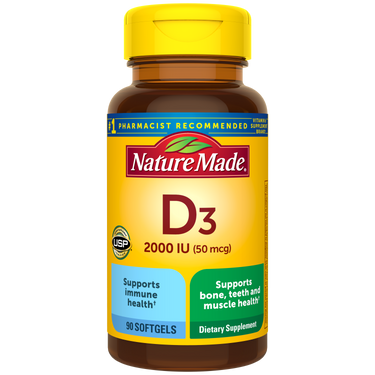
Vitamin D is an essential nutrient that supports bone, teeth, muscle and immune health. While vitamin D is found in some foods, such as egg yolks, it is not present in many, so we mostly get it from exposure to sunlight. Did you know that 95% of US adults don't get enough vitamin D from diet alone, and roughly one-third are vitamin D deficient?[1,2] This can be due to inconsistent sun exposure from lifestyle, location, or time of year. Vitamin D supplements are a convenient option to increase daily of this essential nutrient.

Calcium

Calcium is an essential mineral that is important throughout all stages of life. Calcium plays a critical role in supporting bone, teeth, and muscle health. It's the most common mineral in bones and is required for bone mineralization, the constant remodeling and strengthening process that takes place in our skeleton.[3]†

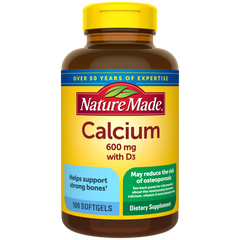
Calcium is found in dairy foods and leafy green vegetables. Ensuring you have an adequate calcium supply is always essential, and supplementation often pairs this essential mineral with vitamin D3, like in our Calcium with Vitamin D3 Softgels, to help improve calcium absorption.

Iron

Iron is another essential mineral that plays a vital role in the body. Iron supplementation may be especially important for women of childbearing age due to its role in blood cell formation and they may benefit from a supplemental source of this essential mineral.[4] Consult with your primary healthcare provider before adding iron supplementation to your daily routine.

Omega-3s

Heart-healthy Omega-3s are long-chain fatty acids found mostly in fish, like salmon and mackerel. Found in fish oil supplements, Omega-3 fatty acids support a healthy heart, brain, and eyes. If you don't meet the recommended seafood diet, which includes 8 ounces of fish per week, you may benefit from an omega-3 supplement.[5]

What Might Contribute to Nutrient Gaps in Your Diet? Tips for Filling Those Gaps

It's not uncommon to have nutrient gaps in your diet. Here are some reasons our diets may contribute to nutrient gaps, and how supplementation can help address them.

Choosing Convenience

Sometimes choosing convenient food doesn't lead to the most balanced diet, but eating well doesn't have to be hard. Fast food and processed meals tend to lack nutrient density, but choosing quick, less-processed meals like a can of tuna, or a bowl of fruit with yogurt, can help you prioritize nutrient-dense foods without sacrificing convenience.

If you find yourself skipping meals, lacking variety, or snacking instead of having a full meal, you may have nutrient gaps. A multivitamin can provide a solid base of nutrients to support a balanced diet.

Plant-Based or Selective Diets

Specific diets, like vegetarian or vegan, can lower your intake of certain foods that are common sources of essential nutrients. Nutrients like vitamin B12, iron, zinc, calcium, and omega-3s are most commonly found in animal products, so those who do not eat animal products may be more likely to have dietary shortfalls.[6] Low-dairy diets may also be low in calcium and vitamin D. Milk alternatives are often fortified with calcium and vitamin D, but amounts may vary by brand.

Age-Related Changes

Our body changes as we age, and that can also affect our nutrient intake. Specific nutrients, such as vitamin B12 and magnesium, may be less well absorbed as we age.[7,8] Additionally, as our digestive system and appetite change, we may find ourselves avoiding certain foods or eating less overall. Both of these factors can lead to nutrient gaps. Dietary supplements can help support healthy aging.

How to Choose the Right Supplements to Complement Your Diet

With all the options of dietary supplements you'll find on the market, it's good to know what you're looking for. Take a good look at your current eating habits: are there types of food you avoid, meals you tend to skip, or certain patterns and gaps that a supplement may address?

Always consult a medical professional before starting a supplement routine. They can help you assess your current diet and nutrient needs and help tailor your supplement use to address your unique needs.

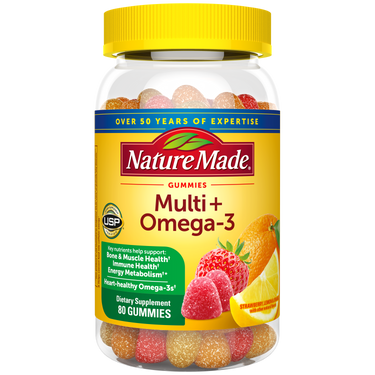
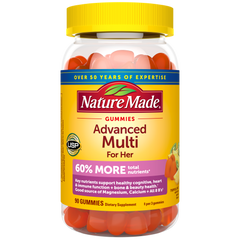
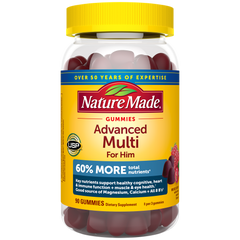
Multivitamins are a popular option for general support, providing a convenient way to target a wide range of essential nutrients. What multivitamin should I take? Nature Made's Multivitamin Collection offers Advanced Multivitamin Gummies for Her and Advanced Multis for Him, along with Advanced Multivitamin Gummies 50+ for Her and for Him specially formulated to provide daily nutritional support for people 50 years and older.

Targeted, single-ingredient supplements or supplement blends can address specific shortfalls arising from diet or lifestyle. It's always important to follow the suggested use on each supplement's label for best results.

Tips for Building a Supplement Routine That Works for You

The best supplement routine is one that takes both a balanced diet and supplement support into account. Support healthy, nutrient-dense foods with targeted supplementation as part of a well-rounded plan. Here are some quick tips for supplementation:

  • For how to take vitamins: It's generally best to take supplements with water and a meal to support absorption. Fat-soluble vitamins require dietary fat, such as olive oil, for proper absorption. Can you take vitamins on an empty stomach? It is always best to check the label for the suggested use and follow those instructions for safe supplementation.
  • Explore the available supplement options and choose the format you prefer. Whether that's a gummy, a softgel, or a tablet, you are more likely to keep up consistent supplementation if it's in a form you like.
  • As far as how long it takes for vitamins to work: You may not see the benefits of supplements immediately but remember that consistency is key. Use reminders on your calendar or pair supplements with a preexisting daily routine. What happens to your body when you start taking vitamins? With consistent supplementation, your body has access to nutrient support to help bridge dietary gaps that may occur.

A Balanced Approach to Diet and Supplements Starts with Informed Choices

A balanced diet and supplements can be a supportive part of a healthy routine. It's important to understand that vitamins are not in any way a replacement for meals. Dietary supplements are also not a replacement for a well-balanced diet. They work alongside a diet filled with nutrient-dense foods to support your daily wellness.

Support Your Diet with Supplements That Fit Your Lifestyle

Always aim for a balanced diet filled with nutrient-dense foods, but even the best diets can leave some nutrient gaps. Supplements can help support a healthy diet by filling these potential nutrient gaps. Always talk to your healthcare provider before starting or changing a supplement routine.

Explore Nature Made's multivitamin collection to find a solid base for your wellness routine. Incorporating dietary supplements is a convenient way to support your daily wellness, and we're here to support that journey with high-quality supplements made with ingredients backed by science. Nature Made is the #1 Pharmacist Recommended Vitamin & Supplement Brand.*†


*Based on a survey of pharmacists who recommend branded vitamins and supplements.


† These statements have not been evaluated by the Food and Drug Administration. These products are not intended to diagnose, treat, cure, or prevent any disease.


References:

  1. Liu X, Baylin A, Levy PD. Vitamin D deficiency and insufficiency among US adults: prevalence, predictors and clinical implications. Br J Nutr. 2018;119(8):928-936.
  2. Reider CA, Chung RY, Devarshi PP, Grant RW, Hazels Mitmesser S. Inadequacy of Immune Health Nutrients: Intakes in US Adults, the 2005-2016 NHANES. Nutrients. 2020;12(6):1735. Published 2020 Jun 10. doi:10.3390/nu120617354.
  3. Vannucci L, Fossi C, Quattrini S, et al. Calcium Intake in Bone Health: A Focus on Calcium-Rich Mineral Waters. Nutrients. 2018;10(12):1930. Published 2018 Dec 5. doi:10.3390/nu10121930
  4. National Institutes of Health. Iron: Fact Sheet for Health Professionals. National Institutes of Health. Published October 9, 2024. https://ods.od.nih.gov/factsheets/Iron-HealthProfessional
  5. US EPA O. EPA-FDA Advice about Eating Fish and Shellfish. www.epa.gov. Published July 30, 2015. https://www.epa.gov/choose-fish-and-shellfish-wisely/epa-fda-advice-about-eating-fish-and-shellfish
  6. Malhotra A, Lakade A. Analytical Review on Nutritional Deficiencies in Vegan Diets: Risks, Prevention, and Optimal Strategies. J Am Nutr Assoc. 2025;44(6):545-555. doi:10.1080/27697061.2025.2461218
  7. National Institutes of Health. Office of Dietary Supplements - Vitamin B12. Nih.gov. Published 2024. https://ods.od.nih.gov/factsheets/VitaminB12-HealthProfessional/
  8. National Institutes of Health. Magnesium. National Institutes of Health. Published 2022. https://ods.od.nih.gov/factsheets/Magnesium-HealthProfessional/

Authors

Graham Morris

NatureMade Copywriter

Graham has a degree in film with a focus on screenwriting from the University of California, Santa Cruz. He enjoys learning new things and finding the best, most engaging way to communicate them to a wide audience. Graham appreciates simplicity in life and nutrition, and wants to find the easiest, no-stress ways to stay healthy.

Read More about Graham Morris

Kalyn Williams, RDN

Science and Health Educator

Kalyn is a Registered Dietitian-Nutritionist and a Science & Health Educator with the Medical and Scientific Communications team at Pharmavite. Her experience in the field of nutrition prior to joining Pharmavite has included community and public health education, media dietetics, and clinical practice in the areas of disordered eating, diabetes, women’s health, and general wellness. Kalyn received her Bachelor of Science degree in Nutrition and Dietetics from Arizona State University in Phoenix, Arizona, and completed her dietetic supervised practice in Maricopa County, AZ, with an emphasis on public health. Kalyn is certified in Integrative and Functional Nutrition through the Academy of Nutrition and Dietetics, where she is an active member in addition to memberships in Dietitians in Functional Medicine, Women’s Health Dietitians, and the International Federation of Eating Disorder Dietitians.

Read More about Kalyn Williams, RDN