Welcome to our store
Discover which Nature Made vitamins and supplements can support your wellness goals†
Get started now.
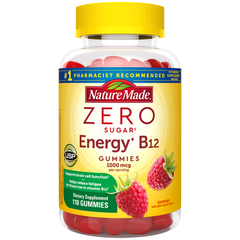
Discover how you can get the benefits you want from the nutrients you need without the sugar normally found in gummies.†
New Zero Sugar Gummies‡
Access expert insights, research, and other helpful content related to your health.
Explore Health Resources
Learn where our story began, and how we continue to evolve alongside our customers.
Discover Nature Made$0.00 away from Free Shipping You have earned Free Shipping*
May 15, 2026
Energy
articles
When we’re at work, at home, or even just having fun, we need energy. It keeps us moving, grooving, and getting things done. But how do we get sustainable energy, and what does that actually mean?
We’ll help answer those questions and include tips to avoid common energy pitfalls. Healthy foundational habits like sleep and nutrition can be supported with supplements, including EnergyWell, a great choice for people looking to support energy.†
The foundation of daily energy is good nutrition. A balanced diet, rich in macronutrients (carbohydrates, proteins, and fats) and micronutrients (vitamins and minerals), provides the body with fuel for its daily functions. Macronutrients provide essential components for creating and storing cellular energy, and micronutrients help facilitate the process.†
When you hear the word “energy,” a few different things may come to mind. The two major types of energy are cellular energy and perceived energy and alertness. Cellular energy is the product of the body’s metabolic processes, in which we break down macronutrients into a chemical form our cells can use, such as ATP or Adenosine Triphosphate. B vitamins, like vitamin B12, serve as cofactors in energy metabolism, facilitating this process.†
The other type of energy, perceived energy and alertness, is how awake, focused, and mentally sharp you feel throughout the day.[1] This type of energy is influenced by several factors, including adequate sleep, hydration, nutrition, and the consumption of caffeine.†
“Feeling energized” doesn’t mean just one thing, and it can’t be pinned to one single factor. This feeling results from multiple overlapping systems working together, not from a single nutrient, ingredient, or habit. So, when you’re looking to feel more sustainable energy throughout the day, it’s a good idea to approach it from multiple angles, supporting alertness, cellular energy, and more, with nutrition, hydration, and healthy lifestyle habits.
Sustainable energy doesn’t come from just one thing: there are four foundational habits that can help you support your daily energy. These foundations are sleep, nutrition, hydration, and movement. Let’s dig in.
If you follow fitness influencers and workout pros, you might be surprised to find that sleep is one of the most important habits for daily energy. While sleep may not be top of mind for many, getting adequate, consistent sleep is one of the most significant factors in how energized and alert you feel in your day.[2]
Conversely, sleep deprivation affects cognitive performance, mood, and the body’s ability to regulate energy effectively.[2] So, get yourself some sleep! Build healthy sleep habits like a consistent bedtime, practice good sleep hygiene by creating a dark, cool environment in your bedroom, and avoid screentime in the hours before bed.
Just like a well-tended garden, your body thrives when it gets the nutrients it needs. That’s why a balanced approach to nutrition is one of the most important pillars of sustainable daily energy.
Consistent, balanced meals that include adequate sources of carbohydrates, proteins, and fats, along with a variety of micronutrients like vitamins and minerals, help fuel your daily energy metabolism. B vitamins are essential cofactors in the conversion of food into cellular energy.[3] Try to keep your food intake consistent; skipping meals or under-eating can contribute to dips in energy throughout the day.†
Water, water, everywhere, and plenty of drops to drink: hydration plays an important part in many of our body’s daily functions, and energy is no exception. Even mild dehydration can affect how you feel and function.[4]
While drinking water, remember that electrolytes help replenish water and nutrients in the body. Practice healthy water habits, like a reminder on your phone, to help you keep up consistent daily water intake, a foundational energy support habit.†
In the modern world, many of our activities are sedentary. Whether sitting at a desk for work, browsing your phone for fun, or sitting in the car to travel, performing regular physical activity has become an active choice, rather than a regular part of our lives.
Regular physical activity is essential, as it supports healthy metabolism, circulation, and overall energy levels over time.[5] Be proactive in integrating physical activity into your day, with short movement breaks away from your desk, a daily walk or run around the neighborhood when you get home or practicing an active hobby.
These four pillars form the foundation of any healthy energy routine. Practicing habits that support adequate sleep, balanced nutrition, consistent hydration, and regular movement should be the first step in supporting your energy.
We’ve all had those blah days where we feel like we just don’t have any energy. Of course, there are many reasons this can happen, but let’s look at some common lifestyle factors that can cause a feeling of low energy.
One of these common factors is not getting enough high-quality sleep. This is a common contributor to low energy and alertness; it makes sense, right? Sleep is when our body and mind recharge, so when you don’t get enough of it, it’s logical to feel “low charge” the next day.[2] Practicing good sleep hygiene can help; try reading a book in bed instead of scrolling on your phone and aim to get to bed at a consistent time each night.
Inadequate nutrition can also contribute to low energy. Sometimes you have to get out the door quickly and end up skipping a meal, or you choose a meal that doesn’t provide enough macronutrients or micronutrients like B vitamins. Eating consistent, balanced meals helps your body get the nutrients it needs to support cellular energy production.
Dehydration, as mentioned above, can affect how you feel and function throughout the day.[4] Drinking water regularly can help keep your body hydrated and support your daily energy.
If you don’t move throughout the day or practice sedentary habits, your energy levels can be lower. Using energy is important, so try to stay physically active.[5]
Energy and alertness aren’t just affected by the body, but also the mind. If you have a high cognitive or mental load, meaning sustained mental demands, stress, or multitasking, you can experience mental fatigue, which affects your perceived energy and alertness.[6] Practice stress management techniques, such as guided meditation or calming walks in the fresh air, to help lighten the mental load.
If low energy persists or significantly affects daily life, speak with a healthcare professional. They can help you identify underlying causes and provide a comprehensive plan for energy support.
You’re probably familiar with caffeine; in fact, you may have had it in your cup of joe this very morning. Caffeine is an ingredient that can help support mental energy and alertness. It works by blocking adenosine receptors in the brain, which normally promote sleepiness and relaxation. By temporarily blocking these signals, caffeine can help you feel more alert and mentally awake.[7] However, it’s important to know that it doesn’t create cellular energy or give you more energy to, say, run a marathon. All it does is reduce the perception of fatigue.†
While caffeine has its benefits and is, for many, a regular part of their daily routine, there are some tradeoffs to be aware of. For example, individual sensitivity to caffeine varies; some may feel its effects more than others.
If you regularly consume caffeine, your body can build a tolerance, so you feel the effects less over time. The FDA has noted that up to 400 mg of caffeine per day is not generally associated with negative effects in most healthy adults.[8] This is equivalent to about two to three 12 oz cups of coffee, or about four 12 oz cups of black tea.
It’s also important to note that caffeine too late in the day can interfere with sleep quality by blocking the receptors that promote sleepiness and relaxation. For best timing, consume caffeine earlier in the day, rather than in the afternoon or evening, to maintain sleep quality.†
Nature Made’s Zero Sugar‡ EnergyWell Drink Mix provides 100 mg of clinically studied caffeine per stick pack to quickly increase energy and focus, along with 14 nutrients that help support cellular energy, hydration, and everyday wellness.†
EnergyWell is a dietary supplement in drink mix powder form, which means it provides essential nutrients in every stick pack, with B vitamins to support cellular energy production,♢ vitamins A, C, D, and E, and zinc to support a healthy immune system.†
This sugar free‡ drink mix also includes electrolytes (sodium and potassium) to support hydration by maintaining water balance and helping replenish water and nutrients.†
Consumers interested in energy drinks may be interested also in supporting energy without consuming sugary beverages.
EnergyWell can provide nutritional support for cellular energy and caffeine for energy and focus, complementing a healthy wellness routine that includes the four pillars of lifestyle support: sleep, nutrition, hydration, and movement.†
Explore Nature Made’s Energy Supplements today! Nature Made is the #1 Pharmacist Recommended Vitamin and Supplements Brand.*
‡ Not a low calorie food.
♢ Helps convert food into cellular energy†
* Based on a survey of pharmacists who recommend branded vitamins and supplements
† These statements have not been evaluated by the Food and Drug Administration. This product is not intended to diagnose, treat, cure or prevent any disease.
NatureMade Copywriter
Graham has a degree in film with a focus on screenwriting from the University of California, Santa Cruz. He enjoys learning new things and finding the best, most engaging way to communicate them to a wide audience. Graham appreciates simplicity in life and nutrition, and wants to find the easiest, no-stress ways to stay healthy.
Read More about Graham Morris
Science and Health Educator
Lynn is a Registered Dietitian (R.D.) and is a member of the Medical and Scientific Communications team at Pharmavite. She has over 20 years of experience in integrative and functional nutrition and has given lectures to health professionals and consumers on nutrition, dietary supplements and related health issues. Lynn frequently conducts employee trainings on various nutrition topics in addition to educating retail partners on vitamins, minerals and supplements. Lynn has previous clinical dietitian expertise in both acute and long-term care, as well as nutrition counseling for weight management, diabetes, and sports nutrition. Lynn earned a bachelor’s of science in Nutrition with a minor in Kinesiology/Exercise Science from The Pennsylvania State University. She earned a M.S. degree in Human Nutrition from Marywood University in Scranton, Pennsylvania. Lynn is an active member of the Academy of Nutrition and Dietetics, Sports Cardiovascular and Wellness Nutritionists, Dietitians in Functional Medicine, and holds a certification in Integrative and Functional Nutrition through the Academy of Nutrition and Dietetics.
Read More about Lynn M. Laboranti, RDReceive the Latest News and Special Offers