Person in yellow standing in a kitchen with arms crossed.

Are Vitamins Good for Your Health and Are They Necessary?

Feb 16, 2026 FAQs articles Multivitamins articles Vitamin B articles Vitamin C articles Vitamin D articles
6 MIN

Person in yellow standing in a kitchen with arms crossed.

Picture this: you're sitting at home, looking up the question "are vitamins good for you?" on your phone. Seems familiar? Is that what you're doing right now? Well, you're not alone; it's a common question: in today's health-conscious world, it can be challenging to tell what works and what's just a hip trend. Are taking vitamins necessary? Are vitamin supplements good for health?

We'll get to the truth about vitamins and dietary supplements, discover their role in supporting your daily wellness, crack the case of what makes a nutrient "essential," and explore the myriad ways you can include vitamins and nutrients in your day through a balanced diet and supplements routine.

Your daily diet, meaning the food you eat on a regular basis, is always the best way to meet your essential nutrient needs, and vitamins and supplements aren't a replacement for a balanced diet filled with nutrient-dense foods, such as lean proteins, fruits, vegetables, whole grains and healthy fats. But taking vitamins and supplements every day is a convenient way to help fill potential nutrient gaps by supplementing your diet. Hence the name "supplements."

Why Do People Take Vitamins in the First Place?

Why do we take vitamins? Vitamins and supplements are a convenient way to provide daily targeted nutrient support in addition to what you get in your diet. Nutritional needs vary from person to person and can be affected by age, lifestyle, and health status, and it might be challenging to get all the nutrients your body needs daily through diet alone.

In fact, specific nutrient shortfalls are widespread in American diets, including for vitamin D, vitamin E, vitamin C, vitamin A and the heart-healthy omega-3s EPA and DHA.[1] Supplements can help support your overall health by helping to fill these dietary gaps with a consistent source of essential nutrients. Multivitamins and supplement blends put a selection of essential nutrients into a convenient package, so many people take a daily multivitamin as a proactive tool to help support their wellness over time.

What the Research Says About the Role of Vitamins

The human body is one of the most-studied systems in the world, and while we may never understand the mysteries of the heart, we do know a lot about how our bodies function and what they need to do so.

"Essential" vitamins are known as such because they are required for the body's normal functions, including immune support, bone health, and heart health and the body cannot make them, so we need to get them through the diet or supplements.[2] That means we need to include them in our diets through nutrient-dense foods to ensure we get the nutrients our body needs. What vitamins do I need? Well, you need all of them every day, but here are some key examples of essential vitamins and nutrients, and the benefits they provide:

Vitamin D

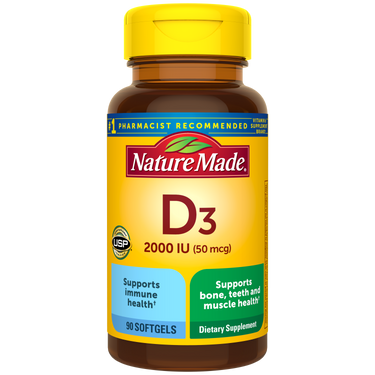
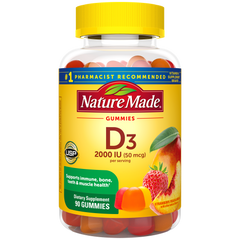
Known as the sunshine vitamin because we need sunlight to produce it, Vitamin D supports healthy cellular aging and supports bone, teeth, muscle, and immune health. Nature Made Vitamin D3 Gummies provide the body's preferred form of vitamin D in delicious strawberry, peach, and mango flavors with other natural flavors.

B Vitamins

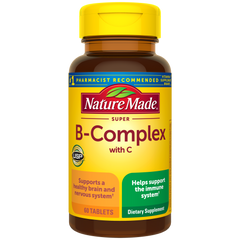
A collection of eight separate vitamins, B Vitamins help to convert the food we eat into cellular energy: that's the fuel our cells use to do what they need throughout the day. Nature Made offers Super B-Complex with C Tablets to provide all eight essential B vitamins to support cellular energy production, a healthy brain and nervous system, plus vitamin C for immune support.

Vitamin C

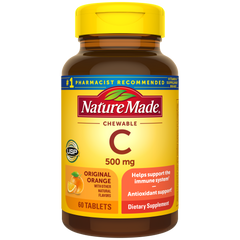
Famously present in citrus fruits, vitamin C plays a vital role in immune system health and works with other antioxidants in the body to neutralize free radicals. Vitamin C is a popular supplement for its immune support benefits, and comes in a number of forms like Zero Sugar Vitamin C Gummies, Vitamin C Chewable Tablets and more.

Are Vitamin Supplements Necessary for Everyone?

So, vitamin supplements can help support your body by filling possible nutrient gaps that may be lacking from your diet, but are vitamins necessary for everyone to take?

Should Everyone Take Vitamins to Supplement Their Diet?

The best way to support your nutrient needs is to eat a balanced diet. Filling your plate with nutrient-dense foods from a variety of sources can help you meet your dietary needs.

For many of us, however, keeping up a balanced diet every day isn’t always easy. Busy schedules often mean we miss out on key nutrients, and that’s where daily supplements come in—they help fill nutrient gaps that may be lacking from our diet. Since all vitamins are essential, a daily multivitamin can provide a solid base of support with a convenient daily serving of key nutrients.

What happens to your body when you start taking vitamins? Vitamin supplements provide your body with a consistent source of the essential nutrients it needs for daily functions. Some of us may benefit from targeted supplementation instead of, or in addition to, a multivitamin. Single nutrient supplements and benefit blends address a specific shortfall or need state instead of getting the daily amount of most nutrients in a multivitamin.

It's important to know that there's no such thing as a one-vitamin-fits-all when it comes to supplements, so you should always consult your healthcare provider for personalized guidance before starting a supplement routine. They can help you find supplements that support your specific health goals.

Common Scenarios Where Supplements May Be Helpful

Some adults may benefit from specific vitamin supplementation, such as those following certain diets, or at different life stages and lifestyles. For example, diets that eliminate or restrict certain food groups may make it challenging to meet your needs for calcium and vitamin B12. Nature Made Calcium with Vitamin D3 Tablets pair calcium with vitamin D3, which helps improve calcium absorption.

Our body undergoes changes that can affect our nutrient needs, such as reduced B12 absorption with age. Supplementation, like Vitamin B12 Softgels, can increase your intake of this vital nutrient to support brain cell function and help reduce fatigue for those low in vitamin B12.

Pregnant women and women who are trying to become pregnant may benefit from Prenatal Multivitamin Folic Acid + DHA Softgels, which support the development of the baby's brain, nervous system, bones and eyes.

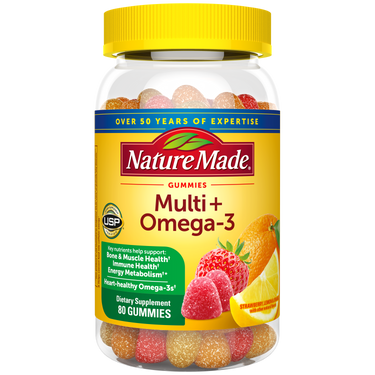
Those of us with busy lifestyles can sometimes choose less nutrient-dense alternatives due to limited access or convenience. A multivitamin like Multivitamin + Omega-3 Gummies can help bridge possible shortfalls that may arise from these less-than-ideal meals, along with providing a source of heart-healthy Omega-3 fatty acids EPA and DHA.

How long does it take for vitamins to work? Vitamins work best when taken consistently over time, so ensure a regular supplement routine to support your health goals.

How to Choose Vitamins That Align with Your Lifestyle

If you're interested in vitamin supplementation, you're probably aware that you’re not lacking for options. The supplement shelf at your local grocery store is likely packed with supplements from dozens of brands. What multivitamin should you take, when presented with so many options?

Choose a trusted brand with clear labeling. The Supplement Facts Panel on the label gives the serving size, explains what ingredients and forms are in each serving, the amount of each, and how that dosage compares to your daily needs. Some gummy vitamin products may have calories, which will be listed on the label in the Supplement Facts Panel as well.

How to take vitamins? For guidance, follow the Suggested Use on the label, which provides instructions for taking each supplement, such as whether it can be taken on an empty stomach. Different forms of ingredients may have different instructions, for example, for minerals and fat-soluble vitamins like Vitamin D, it is recommended to take with a meal to help absorption.

The Daily Value is a general guide on how much of this ingredient adults should get every day. However, the Daily Value is not exact, and nutrient needs can vary depending on age, gender, and other conditions. Talk with your doctor about the appropriate dosage for personalized guidance.

Why Brand Values Matter When Choosing Supplements

You might find your eyes drawn to the distinctive yellow of Nature Made supplements when browsing the shelves, but why, beyond our eye-catching design and yellow cap, should you consider Nature Made when constructing a supplement routine?

Nature Made is the #1 Pharmacist Recommended Vitamin and Supplement Brand.* Our health and science experts work on research-driven formulations to provide high-quality supplements. Many Nature Made vitamins and supplements verified by USP. This means they’ve been tested to meet strict U.S. Pharmacopeia standards for purity and potency, so you can trust you’re getting quality you can count on. Nature Made also offers a wide range of ingredients, dosages, and forms to fit your specific needs, life stages, and preferences. Plus, doesn't that yellow just pop on your kitchen counter?

Making Vitamins and Supplements Part of Your Daily Health Journey

Starting a supplement routine is a proactive step to support your daily wellness. Always aim for a balanced diet filled with nutrient-rich foods but know that supplementation can help support your diet by filling possible nutrient gaps.

It's vital to choose high-quality supplements from a trusted brand to support your wellness routine and to consult with a medical professional for personalized guidance. Whether you're exploring multivitamins or looking for targeted supplements, take the next step with confidence by choosing products with ingredients backed by science—and built for your lifestyle.


‡ Not a low calorie food

* Based on a survey of pharmacists who recommend branded vitamins and supplements


† These statements have not been evaluated by the Food and Drug Administration. These products are not intended to diagnose, treat, cure, or prevent any disease.


References:

  1. Reider CA, et al. Inadequacy of Immune Health Nutrients: Intakes in US Adults, the 2005-2016 NHANES. Nutrients. 2020 Jun 10;12(6):1735.
  2. National Center for Complementary and Integrative Health. Vitamins and Minerals. NCCIH. Published February 2018. https://www.nccih.nih.gov/health/vitamins-and-minerals

Authors

Graham Morris

NatureMade Copywriter

Graham has a degree in film with a focus on screenwriting from the University of California, Santa Cruz. He enjoys learning new things and finding the best, most engaging way to communicate them to a wide audience. Graham appreciates simplicity in life and nutrition, and wants to find the easiest, no-stress ways to stay healthy.

Read More about Graham Morris

Sandra Zagorin, MS, RD

Science and Health Educator

As a member of the Medical and Scientific Communications team, Sandra educates healthcare professionals and consumers on nutrition, supplements, and related health concerns. Prior to joining Pharmavite, Sandra worked as a clinical dietitian at University of Chicago Medicine in the inpatient and outpatient settings. Sandra received her Bachelor of Science degree in Nutritional Science, with minors in Spanish and Chemistry from the University of Arizona in Tucson, AZ. She earned her Master of Science degree in Clinical Nutrition from RUSH University in Chicago, IL. As part of her Master’s program, Sandra performed research on physical activity participation and correlates in urban Hispanic women.

Read More about Sandra Zagorin, MS, RD