7 Healthy Aging Tips for Adults

7 Healthy Aging Tips for Adults

Jun 05, 2026 Healthy Aging articles
6 MIN

7 Healthy Aging Tips for Adults

Aging doesn’t just mean changes in our body—it also usually marks a shift in mindset: with age, we gain greater self-awareness, a desire for stability, and we want more personalized care for long-term wellness. Supporting a healthy aging process doesn’t mean upending your lifestyle. It’s much more effective to make small, slow changes to your routine to support your daily function.

You don’t have to figure it out alone: we’re here to help with a simple guide focusing on day-to-day healthy aging tips, along with ways to optimize your environment, healthy aging supplements, and a focus on why nutrition is important as you age.

Rethinking Healthy Aging with Long-Term Goals

For younger people, much of the discussion and focus on health and wellness centers on performance: how much you can lift, how far you can run, how you look. For many, that focus changes with age. It becomes more important to pay attention to how you feel, how you listen to your body, and how you thrive day to day.

Independence, mobility, comfort, and mental clarity all gain a level of prominence and importance with age, and taking care of those factors through diet, exercise, mindfulness, and sleep becomes a major focus. For example, supporting your daily wellness with the addition of a healthy aging supplement can be a great step.

How Daily Demands Change with Age

For many of us, our daily lives are affected by careers, families, busy schedules, and occasional stress. These changing lives lead to changing daily demands, which can impact us in unique ways. By tailoring your nutrition, movement, and lifestyle choices to support your body’s cellular energy production needs, cognitive function, and more, you can give your body and mind the helping hand they need for healthy aging. Let’s dig in!

7 Healthy Aging Tips for Adults

Here are some of our best healthy aging tips for older adults that you can easily work into your daily routines.

1. Build a Work Setup That Encourages Movement

In many ways, we are defined by our environment. That’s why it’s important to cultivate an environment that encourages healthy physical activity. A standing desk can help free you from the familiar, restrictive office-chair hunch, and setting up a space to stretch or lift some hand weights for a short break from your work can encourage you to include movement in your daily routine.

Getting regular exercise supports the body in many ways, including joint comfort and flexibility. By including these opportunities in your environment, you encourage daily activity that you might otherwise miss if you restrict yourself to formal workout times.

2. Keep Nutrient-Dense Foods Easily Accessible

It’s a lot easier to eat nutrient-dense foods when they’re within arm's reach. It’s common to rely on ultra-processed foods as a snack (foods that go through multiple levels of processing and often include chemical preservatives) because of their convenience and availability, but that doesn’t have to be the case. Instead of a candy bar, keep a bag of nuts or dried fruit in your drawer, and go for greens whenever possible.

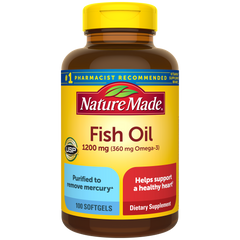
Aim for a diet that includes plenty of nutrient-dense foods, like vegetables, lean protein and whole grains. Yogurt, broccoli and kale are sources of calcium and fatty fish such as salmon can be mixed into your salad to provide a source of omega-3 fatty acids. Nature Made Fish Oil Softgels also provide a daily source of heart-healthy omega-3s EPA and DHA for those who don’t regularly eat fish.

3. Set Up Routines That Support Rest & Recovery

It’s not being lazy: resting is incredibly important to your health and well-being as you age and constructing an environment and routine that supports your rest is key to healthy aging. Practice good sleep hygiene: installing blackout curtains can help stop light from passing cars or streetlights from leaking into your room. A fan can help cool your room and reach a comfortable sleep temperature. Keeping to a regular sleep schedule helps you reach your desired hours of sleep each night.

It’s also important to prepare for sleep in the hours leading to bedtime. That can mean a relaxing bedtime routine, like a warm bath and a book before bed, and disconnecting from screens. The blue light from phones and computers can inhibit your body’s production of melatonin. Sleep is when your body rests and recharges, so it is essential to overall wellness.[1]

4. Micro-Movement Throughout the Day

It’s a common trap to believe that working out only means going to the gym and lifting weights. Instead of long workouts, it may be easier to introduce “movement snacks” into your day to help you stay active as you age. These are bite-sized exercise stints that support mobility, heart health, and muscle function.

For example, after your next long work call, try a stretch regimen, and include a five-minute walk outside for some daily movement. Light resistance bands can offer an alternative to weightlifting, giving your muscles something to work against without needing to lug around a set of weights.

5. Simple Additions to Your Diet for a Variety of Nutrients

You don’t have to upend your diet to include more nutrients. Rather than setting strict rules you’re more likely to break, focus more on patterns: find easy substitutions and additions for common meals that can help you include a variety of nutrients in your daily diet. Tossing berries in as a snack adds both antioxidants and a pop of sweetness.

Next time you have a salad, adding beans can add fiber and B vitamins to the mix. And choosing whole grains instead of overly processed foods provides a lot more nutrients. By including just one of these choices, you can provide your body with more nutrients without feeling overwhelmed.

6. Mindset Habits That Support Resilience

The mind and body are equally important to wellness, and managing stress can help support resilience in your day-to-day challenges. Taking time every day to practice mindfulness techniques, like journaling, meditation, time out in nature, and relaxing yoga, helps to ground you and makes daily stressors seem more manageable. Cognitive health support supplements along with healthy lifestyle choices can help support a healthy aging brain.

7. Supplements as Optional Support Tools

One way to support changing nutrient needs as you grow older is through dietary supplementation. While the best way to get nutrients is through a balanced diet, sometimes it can be difficult to keep up with the increased nutrient needs that come with age. Supplements can help by providing a consistent source of nutrients to help bridge possible nutrient gaps. For supporting bone health, check out our Calcium with D3 Softgels: calcium is essential for bone mineralization, and vitamin D enhances the body’s absorption of calcium, supporting bone health.

A variety of B vitamins help support energy metabolism, converting food into cellular energy, and brain and nervous system function. If you’re looking for a wide-ranging mineral, magnesium plays a role in over 300 enzymatic reactions. Getting a daily dose of magnesium, like in our Magnesium Tablets, can help support muscle relaxation and heart, nerve, and bone health. Supplements don’t make a healthy lifestyle on their own, but they can help fill gaps and complement a balanced diet and healthy lifestyle choices. Get regular checkups and ask your doctor for guidance on supplementation.

Healthy Aging in Real Life: Tips for Common Situations

Now that you know some tips for healthy aging, let's see how you can apply them in common daily situations.

When Workdays Are Long

Losing focus on your wellness can happen, especially in the middle of a long day. That’s why it’s a good step to remind yourself, whether with sticky notes, phone timers, or an accountability buddy, to care for your body and mind with movement breaks, hydration, and energizing snacks.

When You Are Feeling a Little Stressed

If tasks and to-dos keep piling up and you’re starting to feel stressed, it’s good to take some time to practice mindfulness. A calming breathing technique or a short walk outdoors can help put your stressors into perspective so you can approach them with fresh eyes. Nature Made L-Theanine Chewable Tablets can help relax the mind and provide fast-acting stress relief without drowsiness. Stay connected, keeping in touch with friends can help you keep a positive outlook even in times of stress.

When You’re Traveling or Off Routine

While travel can be exciting, it can also throw you off your regular routine. Include portable, nutrient-dense snacks in your travel kit, like nuts and seeds, to help avoid overly processed snack foods common on the road. Take a five-minute stretch when you pull off at a rest stop and make sure your water bottle gets to help keep you drinking enough fluids. A multivitamin, like our Advanced Multivitamin For Adults Gummies, can help provide a consistent way to support intake of essential nutrients, even when your routine and diet may shift temporarily.

Your Next Step Toward Feeling Supported Every Day

Supporting your body and mind with healthy habits so you can feel strong, capable, and energized is essential to healthy aging. But don’t worry about starting it all at once; picking one small habit that feels achievable is a great first step. Once that healthy habit becomes second nature, pick the next one, and soon enough, you’ll have a supportive, healthy aging routine.

Nutrition, movement, and mindfulness are all great steps you can take to support your daily wellness as you age. If you’re looking for help filling possible nutrient gaps, take charge of your nutrition and explore Nature Made’s healthy aging supplements as part of your routine.


References:

  1. Wein H. Good Sleep for Good Health. NIH News in Health. Published April 2021. https://newsinhealth.nih.gov/2021/04/good-sleep-good-health


‡Works within 30 minutes.


† These statements have not been evaluated by the Food and Drug Administration. These products are not intended to diagnose, treat, cure or prevent any disease.

Authors

Graham Morris

NatureMade Copywriter

Graham has a degree in film with a focus on screenwriting from the University of California, Santa Cruz. He enjoys learning new things and finding the best, most engaging way to communicate them to a wide audience. Graham appreciates simplicity in life and nutrition, and wants to find the easiest, no-stress ways to stay healthy.

Read More about Graham Morris

Lynn M. Laboranti, RD

Science and Health Educator

Lynn is a Registered Dietitian (R.D.) and is a member of the Medical and Scientific Communications team at Pharmavite. She has over 20 years of experience in integrative and functional nutrition and has given lectures to health professionals and consumers on nutrition, dietary supplements and related health issues. Lynn frequently conducts employee trainings on various nutrition topics in addition to educating retail partners on vitamins, minerals and supplements. Lynn has previous clinical dietitian expertise in both acute and long-term care, as well as nutrition counseling for weight management, diabetes, and sports nutrition. Lynn earned a bachelor’s of science in Nutrition with a minor in Kinesiology/Exercise Science from The Pennsylvania State University. She earned a M.S. degree in Human Nutrition from Marywood University in Scranton, Pennsylvania. Lynn is an active member of the Academy of Nutrition and Dietetics, Sports Cardiovascular and Wellness Nutritionists, Dietitians in Functional Medicine, and holds a certification in Integrative and Functional Nutrition through the Academy of Nutrition and Dietetics.

Read More about Lynn M. Laboranti, RD