Lynn Laboranti, M.S., R.D.
Sep 19, 2011
Mom was right when she said to drink your milk! One of the key nutrients found in milk is calcium-- the most abundant mineral in the body found primarily in the skeleton to help build and maintain healthy bones and teeth. Making sure you get adequate amounts of calcium every day is essential for bone health and to help prevent osteoporosis later in life. It’s true. According to the National Osteoporosis Foundation, osteoporosis is a condition in which the bones become weak and may break from a minor fall, and, may strike at any age. Getting adequate amounts of calcium and vitamin D is one essential step to optimizing bone health. Furthermore, low blood calcium levels may also cause muscle spasms and leg cramps. Bottom line: You do need to get enough calcium every day for good health and to maintain strong healthy bones for life.
Building strong a foundation for healthy bones starts in our early years. In fact, according to the National Osteoporosis Foundation, approximately 85-90% of adult bone mass is acquired by age 18 in girls and age 20 in boys. This means that your genetic predisposition for laying down bone occurs early in life. In children, a calcium and vitamin D deficiency may lead to rickets-- a failure of bone to mineralize or a softening of the bone-- which causes bone deformities and growth retardation. The message is clear: Take measures for optimal bone health with an adequate intake of calcium and vitamin D during childhood and adolescence. Prevention is key!
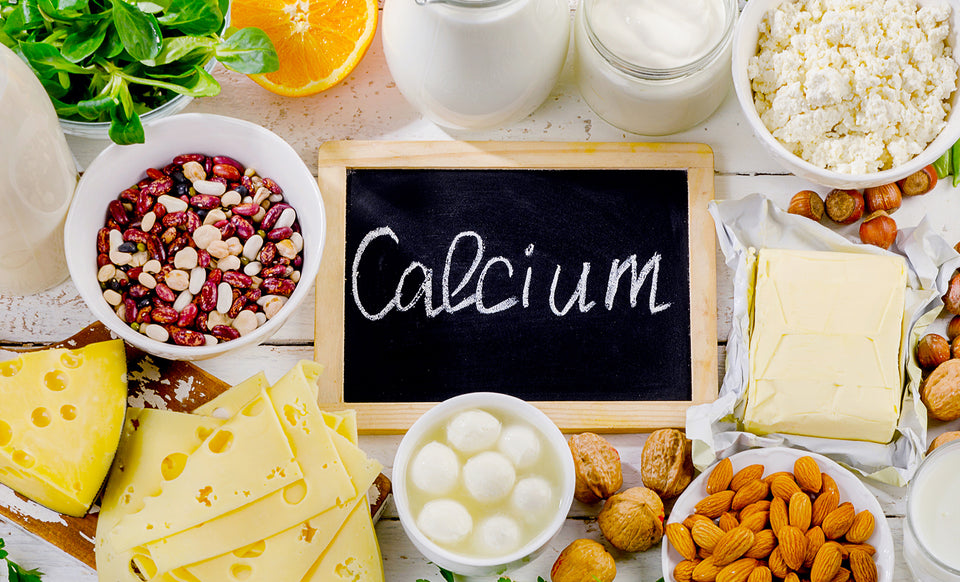
Getting the calcium and vitamin D you need every day is one vital step to optimize bone health and to help prevent osteoporosis. Most people do not consume the recommended intake for calcium (1000 – 1300 mg/day for most adults). The first step is to know how much calcium you need. Incorporate calcium-rich foods (3 per day is recommended) and a calcium supplement to meet your daily calcium requirements:
Age Group: |
RDA/ DRI for Calcium (mg/day) |
9-18 years |
1300 |
19-50 years |
1000 |
51 years + |
1200 |
With calcium supplements, it is best to take them in smaller more frequent doses for maximum absorption. For example, take 1 tablet twice daily with a meal. Be sure to read labels as well. Also, if you are taking any supplements containing iron, be sure to take your calcium supplement separately for optimal effectiveness.
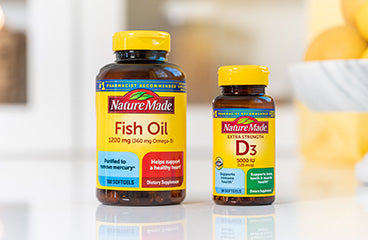
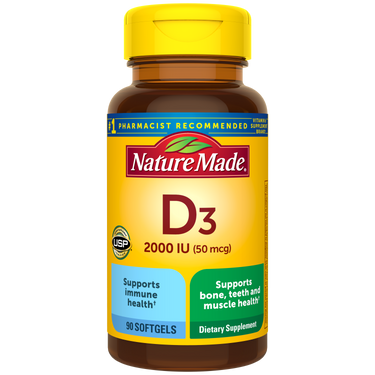
Remember… vitamin D is also important! It is necessary for the proper absorption of calcium to help support bone health. Talk to your doctor about getting your vitamin D level tested and determine what level of vitamin D is right for you.
As you bone up on your calcium and vitamin D, there are some other steps to take to help optimize bone health and prevent osteoporosis: