Jan 27, 2012
The responsibilities of parenthood are multifaceted, and begin even before your little bundle of joy arrives. The Wellness Advisor has outlined how to help take care of yourself before, during, and post-pregnancy so that you and your baby can get the healthy start and energy you need.
Before pregnancy, women of childbearing age should supplement their diet with a multivitamin that contains at least 400 micrograms of folic acid. A daily multivitamin can help fill in any dietary gaps and meet basic nutritional requirements. Consuming an adequate amountof folic acid is imperative when planning a pregnancy. Folic acid helps ensure the healthy development of the central nervous system, and prevents neural tube defects. One of the first developments in a fetus is the central nervous system. The neural tube, from which the spinal cord and brain develop, is formed within the first 25 days of pregnancy, which may be before most women even know they are pregnant. Spina bifida is caused by the failure of the neural tube to develop properly, as are the related defects of anencephaly (the absence of a brain) and encephalocele (a malformation of the brain and skull). Consuming an adequate amount of folic acid (400 mcg/day) can help prevent neural tube defect.
To also help ensure good health before pregnancy, extra calcium supplementation is recommended. Most women do not meet the
RDA for calcium at any stage. 1,000-1,200 mg calcium daily is recommended to support healthy bones. For general wellness, B vitamin supplements may be helpful for women if dietary consumption of B vitamins is not adequate. Women who are trying to conceive should focus on a healthy diet rich in vegetables, fruits, whole grains and lean protein.
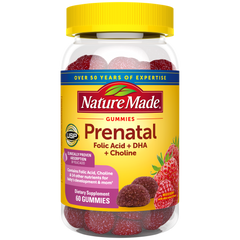
During pregnancy, a prenatal multivitamin with folic acid and iron is recommended. Iron needs nearly double during pregnancy and a prenatal supplement can help meet increased iron needs while providing adequate folic acid. A study at the
University of Alabama reported that children deprived of iron in the womb may lag behind their peers in terms of language and motor skills by the time they enter school. Although calcium absorption is more efficient during pregnancy, women should continue to consume between 1,000-1,200 mg calcium from foods and supplements. The omega-3 fatty acid, DHA , is also extremely important for the baby’s developing brain and nervous system. Look for a prenatal supplement with DHA to provide the best nutritional insurance for you and your baby during pregnancy. With all of their new responsibilities after childbirth, many women are not consuming enough nutrient-dense foods, or are unable to eat properly.
After pregnancy, if women are lactating, they may be deficient in calcium, vitamin D, folate, vitamin B6, vitamin E and zinc, according to a study in the Journal of the American Dietetic Association. A good multivitamin or prenatal supplement, additional calcium and vitamin D, and a B complex supplement may help fill in dietary gaps for a new mom . With all that new mothers have to worry about, getting some help in ensuring proper nutrition can be just what the doctor ordered!